Prasasti Research Director Gundy Cahyadi said there is a positive correlation between digital adoption and capital efficiency.
This is reflected in an Incremental Capital Output Ratio (ICOR) of 4.3 in digitalized economic sectors, which is better than the national ICOR level of 6.6.
“Digitalization is not merely a technological upgrade. It is a vital foundation that can drive productivity, strengthen SME competitiveness, and serve as a core pillar of Indonesia’s long-term economic transformation,” Gundy said in a statement here on Friday.
ICOR measures the amount of investment needed to generate one unit of economic growth or gross domestic product.
A lower ICOR indicates more efficient investment, while a higher ICOR suggests increasing investment costs to support economic expansion.
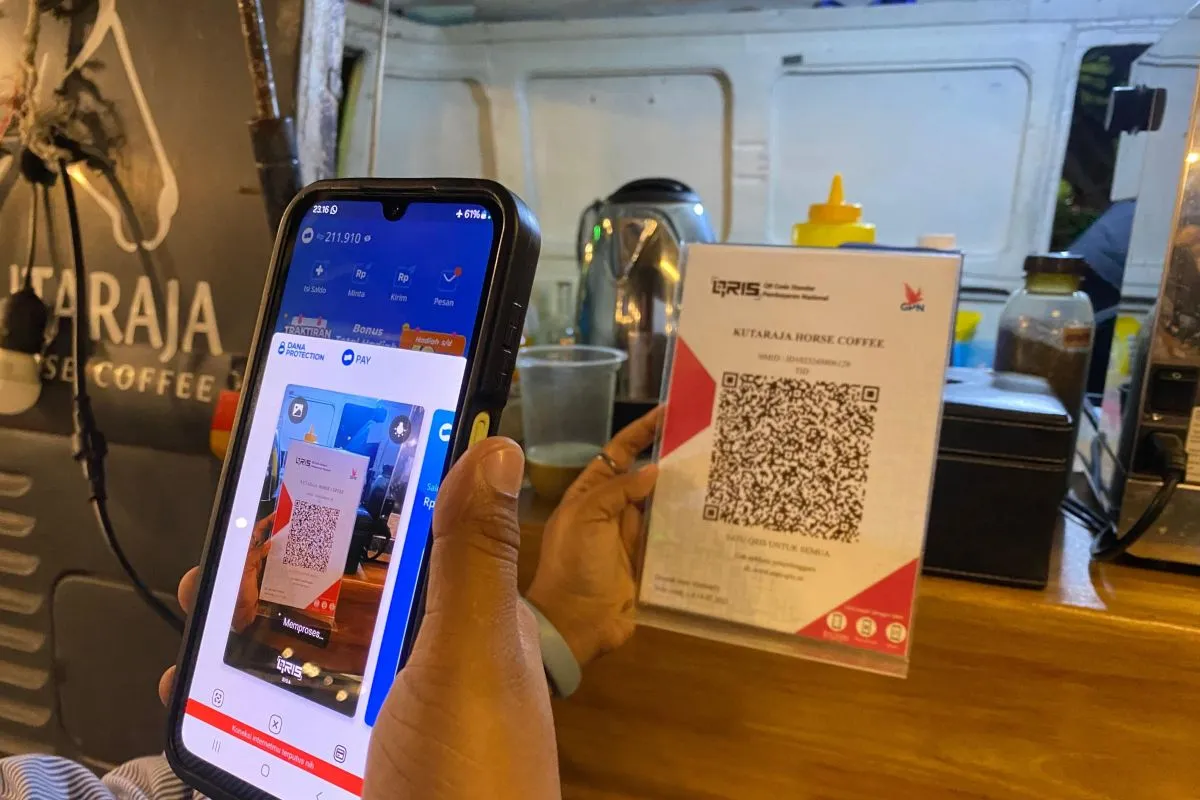
Gundy noted that this improved efficiency is closely linked to the growing role of QRIS, which has become the largest non-cash payment instrument in Indonesia.
As of the first half of 2023, QRIS recorded a transaction value of Rp579 trillion with 41 million merchants, 93.16 percent of whom are SMEs.
He added that digitalization through QRIS helps SMEs move up the business ladder and could address the hollow middle phenomenon, where the number of medium-sized enterprises remains limited between the dominance of micro businesses and large corporations.
“QRIS adoption has surged over the past five years. This development enables SMEs to manage their finances more effectively, reduce security risks, and offer convenient non-cash payment options for consumers,” he said.
Beyond functioning as a payment tool, Gundy explained that QRIS transaction records can serve as data for alternative credit scoring.
Such innovation could expand financing access for SMEs that have long struggled to reach formal financial institutions due to the absence of collateral or conventional credit history.
“Digitalization is not only about improving technology. It is a key foundation that can enhance productivity, strengthen SME competitiveness, and support Indonesia’s long-term economic transformation,” he added.
Related news: Indonesia promotes QRIS digital payments at G20 Summit
Related news: Bank Indonesia records US$1.5 trillion in BI-FAST transfers
Related news: Digital transformation builds independent national payment system
Translator: Uyu Septiyati Liman, Primayanti
Editor: Azis Kurmala
Copyright © ANTARA 2025


