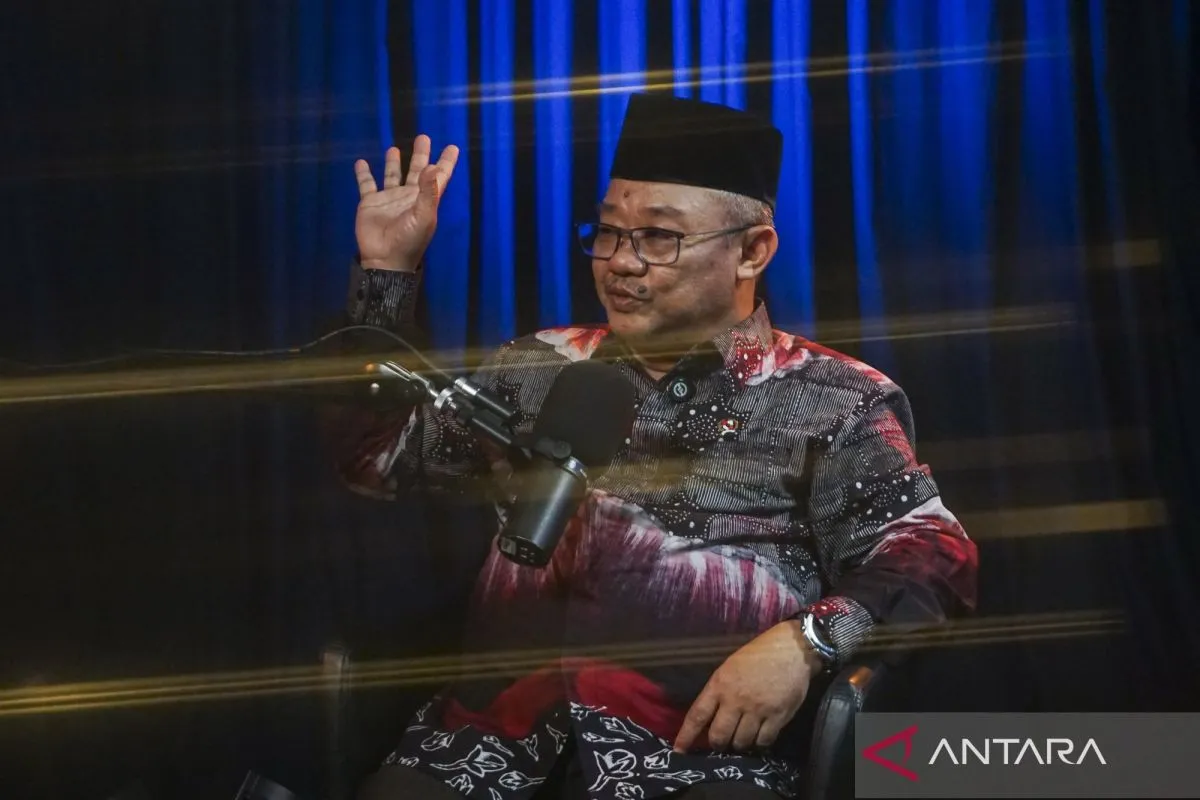
Minister of Primary and Secondary Education Abdul Mu’ti explained that local governments have been given full authority to determine the most appropriate exam mechanisms, as they are best positioned to assess the safety and readiness of students and teachers in the aftermath of the disaster.
“In an emergency situation, measures that were previously not allowed can become necessary. We are providing that flexibility,” Mu’ti said in an interview with the Antara TV Podcast in Jakarta on Friday.
According to the minister, several affected schools will not administer final exams at all.
Instead, students’ semester grades will be calculated from assessments collected throughout the term, up until the disasters struck.
In schools that remain partially operational—often using a classroom shift system due to damaged facilities—final exams will also be conducted in shifts.
Meanwhile, schools suffering severe destruction may incorporate students’ participation in community activities, such as helping clean school grounds, into their character development scores, which contribute to their final grades.
Mu’ti emphasized that the ministry’s priorities extend beyond restoring the education system. “We are also focusing on the psychological and emotional recovery of students,” he said.
Severe floods and landslides hit three provinces—Aceh, North Sumatra, and West Sumatra—in late November 2025 following days of intense rainfall.
According to the National Disaster Mitigation Agency (BNPB), as of December 13, the disasters had claimed 995 lives, with 226 people still missing.
The calamities also damaged approximately 158,000 homes across 52 districts and cities, along with 581 educational facilities, 434 places of worship, and 219 health centers.
Translator: Hana Dewi, Raka Adji
Editor: Aditya Eko Sigit Wicaksono
Copyright © ANTARA 2025


