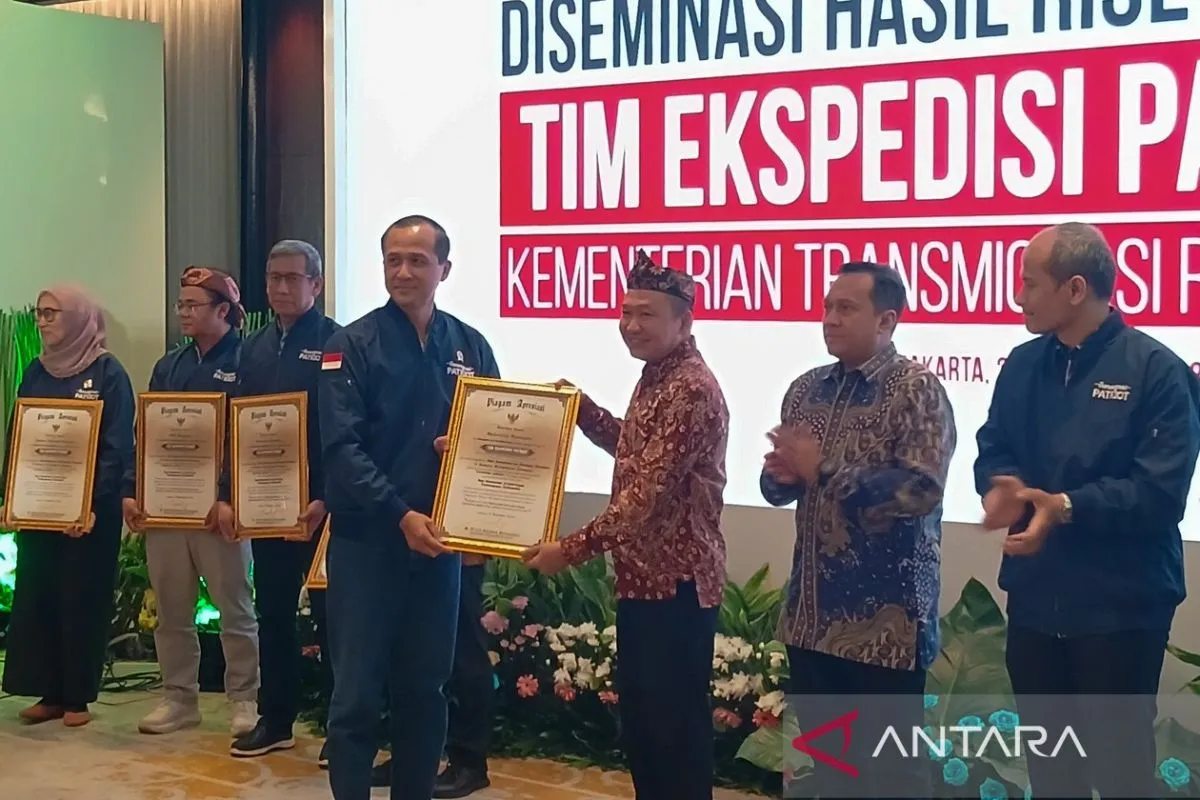
Speaking in Jakarta on Tuesday, he noted that the zones have potential to boost exports of palm oil, fermented cocoa, specialty coffee, sago, fisheries, and livestock, provided infrastructure and legal frameworks are strengthened.
Key measures include building basic facilities, involving cooperatives under the Red and White Cooperatives program as aggregators, and resolving land-use status issues, he said.
Suryanagara projected that optimal implementation could raise regional added value by 20–30 percent, increase investment realization by 15–25 percent, and reduce logistical costs by 10–20 percent within three to five years.
He added that integrated development could lift the overall economic productivity of transmigration zones to Rp410 trillion (US$24.5 billion) annually.
However, he acknowledged persistent obstacles, with more than 70 percent of transmigration regions lacking fully operational infrastructure.
Problems include damaged roads that hinder distribution, unreliable irrigation, unstable supplies of clean water and electricity, and the absence of cold storage facilities.
“These issues have concrete adverse impacts, with over 60 percent of key commodities still being sold raw, while reliance on middlemen exceeds 65 percent. This trend has led to leakage of added value to those outside transmigration zones,” he explained.
The minister said these shortcomings have prevented regions such as Aceh, West Papua, and the Riau Islands from fully utilizing their natural resource potential.
He stressed that the challenge lies in misdirected investment priorities rather than insufficient funding.
“To address this issue, our Patriot Expedition Team has prepared a data-driven investment map that will be presented to potential investors,” Suryanagara stated.
Translator: Uyu Liman, Tegar Nurfitra
Editor: Aditya Eko Sigit Wicaksono
Copyright © ANTARA 2025


