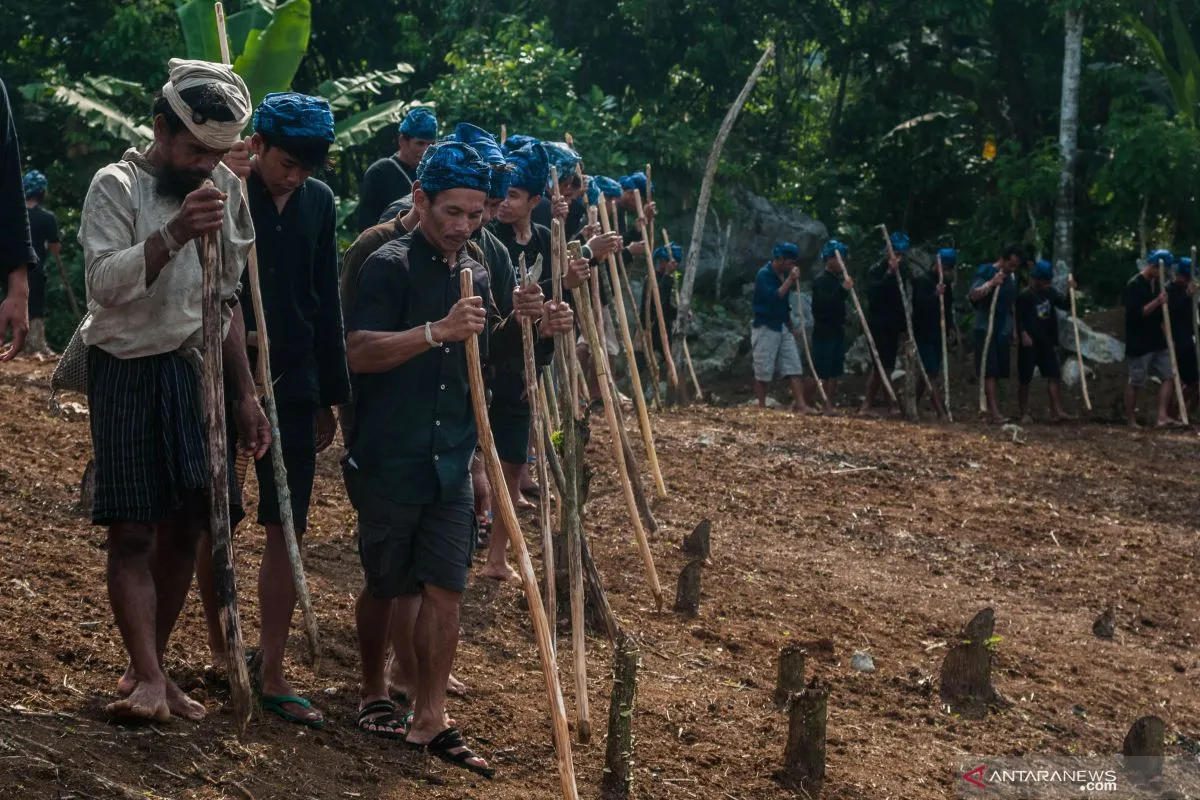
Health Ministry Secretary General Kunta Wibawa Dasa Nugraha said on Thursday that antivenom availability is a concern, given that most Baduy people, an indigenous Sundanese group, work as farmers in agricultural and forest areas.
He said the measure reflects the ministry's commitment to protecting the health of indigenous communities, while stressing that antivenom must be administered according to proper medical procedures.
"Antivenom supplies must be checked regularly. Antivenom is available at community health centers, but not in large quantities," Nugraha said.
In the event of a snakebite, he said initial treatment can be provided to prevent the spread of venom before the patient is referred to a higher-level health facility.
He acknowledged that facilities providing antivenom are located about 90 minutes from the Baduy community but said coordination is ongoing to ensure timely treatment.
In addition to antivenom preparedness, essential health services for the Baduy community continue to be strengthened through routine health checks and health education programs.
Nugraha also urged residents not to hesitate to seek medical care if they experience health problems.
"The most important thing is their willingness to have their health checked. From there, we can identify the problem," he said.
Meanwhile, members of the Baduy community said antivenom availability remains crucial.
Narja, a resident of Cihuni Village in the Outer Baduy area, said antivenom is one of the community’s primary needs due to the high risk of snakebites while working in fields.
He said antivenom should be available as a precaution, though not in excessive quantities.
"Antivenom is needed to anticipate snakebites. Sometimes, it is difficult to obtain," Narja said.
Related news: Foreign tourists banned from visiting Indonesia's Inner Baduy hamlets
Related news: Inner Baduy has requested removal of internet services
Translator: Mecca Yumna, Resinta Sulistiyandari
Editor: Anton Santoso
Copyright © ANTARA 2026


