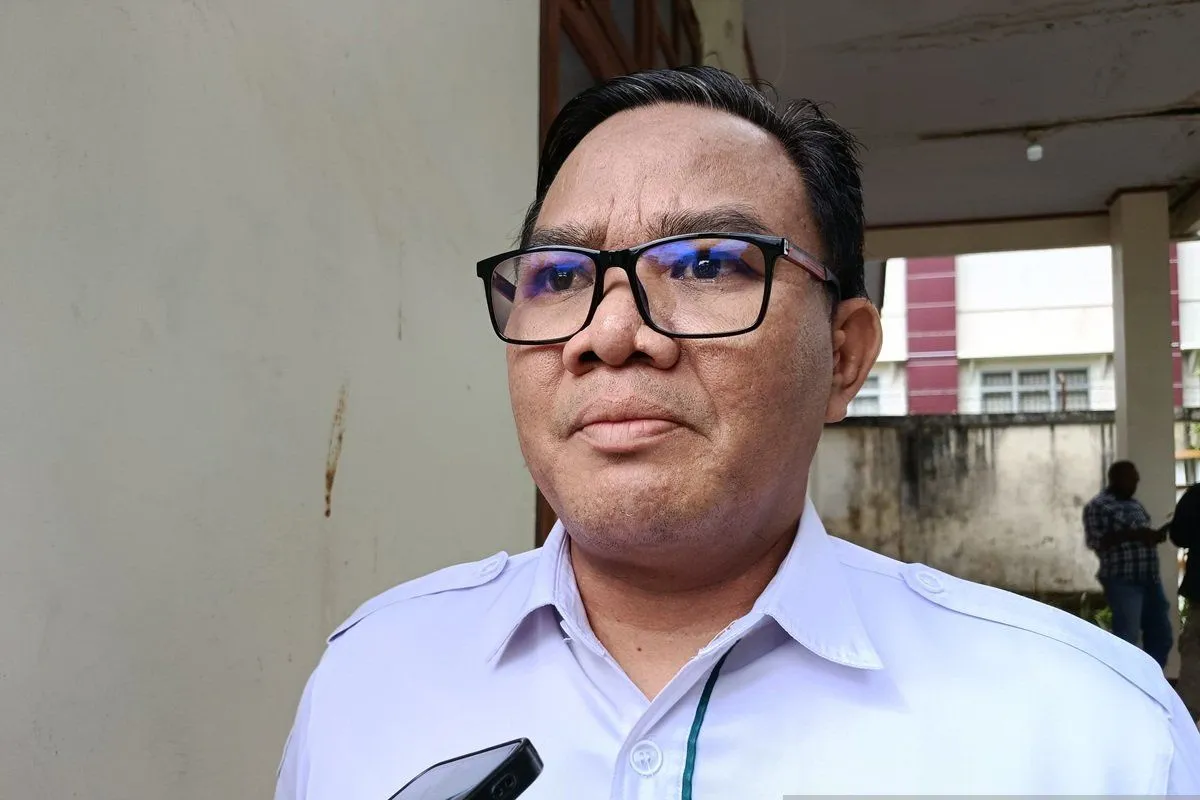
Irwanto, acting head of operations at the ministry’s Directorate for Promotion and Marketing of Village Flagship Products, said in a statement issued in Wamena on Sunday that Jayawijaya has strong potential to grow competitive MSME products, provided producers receive sustained technical and market support.
“Our assessment shows that most communities are active only in upstream cultivation and lack the capacity to move into downstream processing that creates added value,” Irwanto said.
“We want to develop this potential so local MSME products gain stronger economic value,” he added.
The ministry has for years distributed inputs such as seeds and fertilizer, with the aim of enabling beneficiaries to move beyond subsistence production and build commercially viable MSMEs, he said.
However, progress has often stalled at the cultivation stage.
Using taro as an example, Irwanto said the ministry expects farmers not only to grow quality crops but also to process them into higher-value products such as chips. This approach would help stabilize prices during harvest peaks and increase income through value addition.
Current programs are encouraging MSME groups to manage taro and coffee production on a sustainable basis, he added, aligning agricultural practices with market demand and processing capacity.
Coffee production in Jayawijaya illustrates both opportunity and constraint, Irwanto said.
While many local producers already sell coffee, limited access to legal marketing permits has restricted wider distribution.
Related news: Bank Indonesia showcases eight Papua's coffee varieties in Tokyo event
“The main issue is that many products lack formal certifications, such as home-industry permits or BPOM approval,” he said, referring to Indonesia’s food and drug authority.
To address this, the ministry plans to facilitate licensing and certification for coffee MSMEs, including household industry certificates and BPOM permits, enabling products to reach broader domestic markets.
Irwanto said these efforts build on the Ministry’s TEKAD program, which has operated in Jayawijaya since 2021.
The first two years focused on mapping products and community groups, while the 2023–2024 phase provided equipment and infrastructure support to strengthen assisted MSME groups.
Related news: 'Green gold' and tree bark combine in Papuan woman's coffee art
Translator: Yudhi E, Tegar Nurfitra
Editor: Rahmad Nasution
Copyright © ANTARA 2026


