Head of the West Papua Forestry Office Jimmy Walter Susanto said in Manokwari on Monday that indigenous aspirations are a top priority in policymaking related to forest utilization.
“West Papua has a standard operating procedure. Every plan to release forest areas must include a letter of approval from indigenous communities,” Susanto said.
He emphasized that the provincial government prioritizes indigenous participation in all forestry decisions to prevent social conflict and ensure investment projects respect community rights and forest sustainability.
“If indigenous communities disagree, the governor will not issue a recommendation, and we will also not issue technical considerations. This applies to all permits in the forestry sector,” he added.
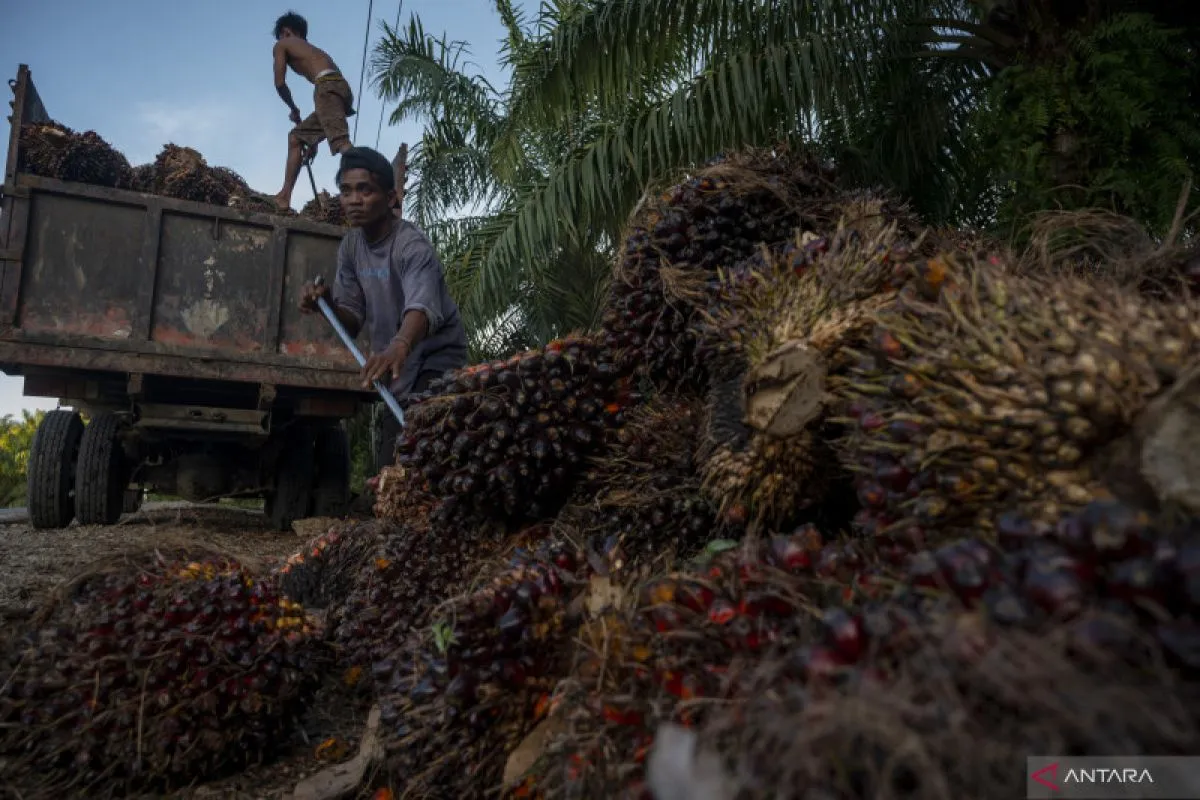
Susanto noted that West Papua’s palm oil plantations are existing ones, with no new permits issued for clearing.
Current plantations are located in Manokwari, Teluk Bintuni, and Fakfak.
He also highlighted seven priority programs for carbon biomass sequestration under the FOLU Net Sink 2030 plan, including strategies to reduce deforestation and promote sustainable forest management.
Separately, Filep Wamafma, Chairman of Committee III of the Regional Representative Council (DPD), urged the government to conduct an in‑depth study before considering any expansion of palm oil plantations in Papua.
“Papuan indigenous people view the forest as a mother, a place of refuge, and a source of life,” Wamafma said.
He stressed that policy decisions must account for environmental, social, and cultural dimensions, as well as the sustainability of indigenous livelihoods.
Papua’s sensitive ecological characteristics, he warned, mean that resource‑based investments must not ignore community rights.
Wamafma added that the government should weigh potential impacts carefully to avoid natural disasters similar to those seen in Aceh, North Sumatra, and West Sumatra.
Translator: Fransiskus Salu Weking, Cindy Frishanti Octavia
Editor: Aditya Eko Sigit Wicaksono
Copyright © ANTARA 2026


