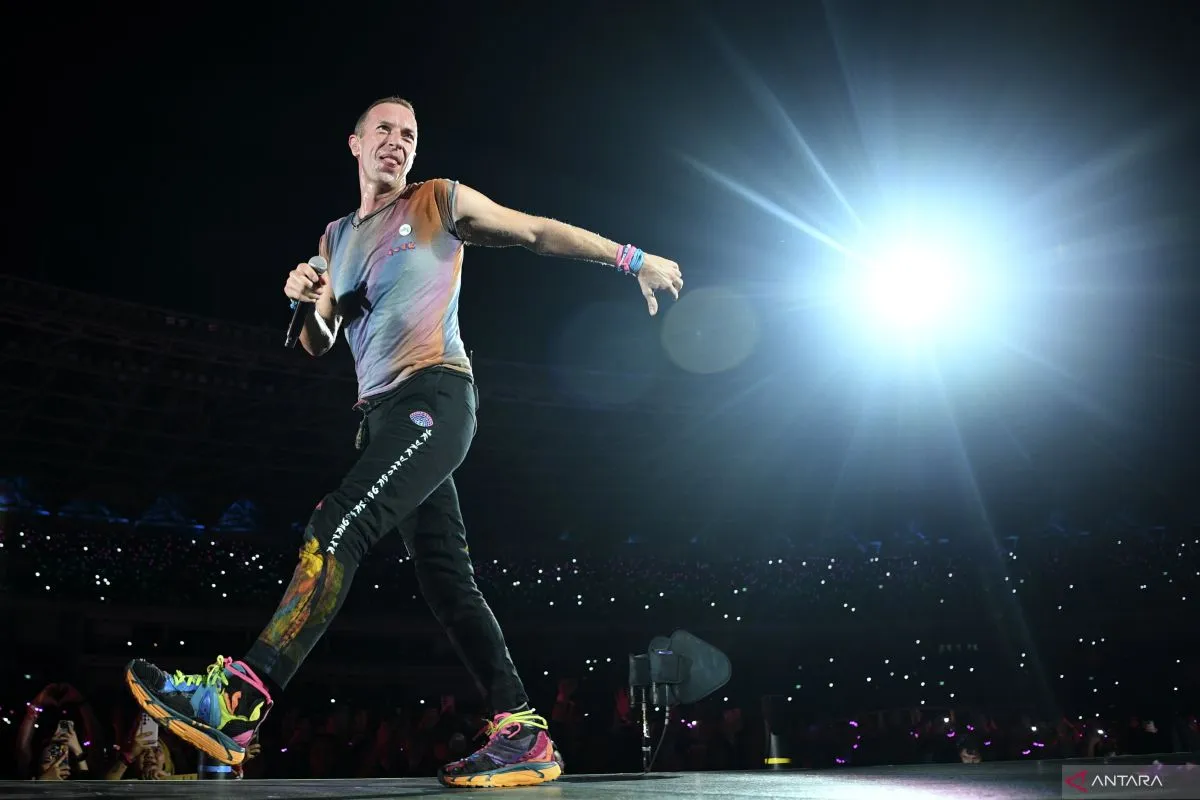
Experts have noted that the tourism and travel industry can no longer rely solely on destinations, but must increasingly focus on the experiences felt by travelers. Music is believed to have a strong appeal in delivering such “experiences.”
Music tourism practitioner Penny Hutabarat, speaking on the ANTARA Close Up Podcast, said that music tourism refers to travel motivated primarily by music.
The University of Indonesia (UI) music observer cited several examples of music tourism, including concerts and festivals, visits to music museums, and trips to cities with long-standing music histories.
In the United Kingdom, for instance, tourists are willing to fly to Liverpool to trace the footsteps of The Beatles, while Nashville has become a magnet for country music fans.
In Asia, South Korea stands out as a clear example of how K-pop has succeeded in attracting millions of international tourists.
“Today’s tourists want to seek experiences, and music is one of the most emotional experiences that can move people to travel to a destination,” Hutabarat said.
Globally, the music tourism trend has surged significantly. Customer Insight 2023 data showed that the global music tourism market was valued at US$6.6 billion and is projected to continue growing through 2032.
This trend is also reflected in the popularity of Glastonbury and Coachella since the early 2000s. In Indonesia, Hutabarat noted that the rise of live music festivals has increased sharply, with music enthusiasts appearing “hungry” for concert-going experiences.
“As a result, music tourism is entering a renaissance phase and growing larger than ever before,” she said.
According to her, Indonesia has strong potential to replicate the success of countries that have long relied on music tourism as a driver of the creative economy.
With its rich cultural heritage, geographical diversity, and large pool of creative talent, Indonesia has substantial capital to position music as a key attraction.
Hutabarat highlighted two festivals that currently serve as best practices in Indonesia:
1. Prambanan Jazz Festival
Held at the Prambanan Temple complex in Yogyakarta, this festival combines live music performances with Indonesia’s cultural heritage. Visitors come not only for the music, but also for the beauty of the Prambanan Temple.
The annual event, usually held over three days in early July, often becomes a reunion occasion across generations.
“Many from the silver generation hold reunions by attending Prambanan Jazz. At the same time, younger generations also dominate the event, making it a cross-generational gathering,” Hutabarat told ANTARA.
2. Ngayogjazz
Unlike large city-based festivals, Ngayogjazz serves as a model of how music can drive rural economies. The festival moves to a different village in Bantul each year, involving the entire local community during its implementation.
This uniqueness has attracted many international tourists seeking an authentic local experience rarely found elsewhere.
Creative economy multiplier effect
Music tourism has been recorded to generate multiplier effects across the creative economy in various regions. Each festival not only enlivens the music stage, but also stimulates surrounding economic activities.
Local micro, small, and medium enterprises (MSMEs) experience sales surges, as thousands of visitors boost demand for culinary products, handicrafts, and souvenirs.
Many MSMEs report daily revenues multiplying several times during music festival events. The sector also creates seasonal opportunities, ranging from stage technicians and security personnel to logistics crews and cleaning staff, benefiting locals.
Another visible impact is the increase in hotel and homestay occupancy, especially in destinations hosting annual festivals.
Many accommodations are fully booked weeks before events. The transportation sector also gains the benefits, with increased demand for flights, trains, car rentals, and local transport services.
Indonesia’s music tourism trend is also driven by the growing number of festivals and promoters bringing in international artists.
This phenomenon has proven to be a strong magnet for tourists, particularly younger generations willing to travel to specific cities to watch their favorite musicians perform live.
In recent years, several international concerts have led to spikes in tourist arrivals, reflected in hotel bookings, transportation ticket sales, and culinary tourism activity around event venues.
The Ministry of Tourism has stated that music is now one of the main attractions featured in the Kharisma Event Nusantara (KEN) calendar.
The flagship program attracted more than 8.4 million visitors, an increase of 13.5 percent compared to the previous year. This indicates that music and cultural events under KEN can serve as a main driver in promoting Indonesian tourism.
“At KEN 2024, the increase exceeded 10 percent, contributing Rp238.2 billion to gross domestic product (GDP). Based on this, we are once again presenting 110 culture-based events, including music, as key tourism attractions,” Deputy Minister of Tourism Ni Luh Puspa said.
Hutabarat concluded that authenticity is the key to developing music tourism in Indonesia. Music festivals should not merely offer performances, but also holistic experiences encompassing community interaction, local cuisine, village atmospheres, natural beauty, and cultural heritage sites.
“This is what is called the experience economy, when people come not just to watch concerts, but to gain memories, emotions, and engagement with local culture,” she said.
Editor: Rahmad Nasution
Copyright © ANTARA 2026


