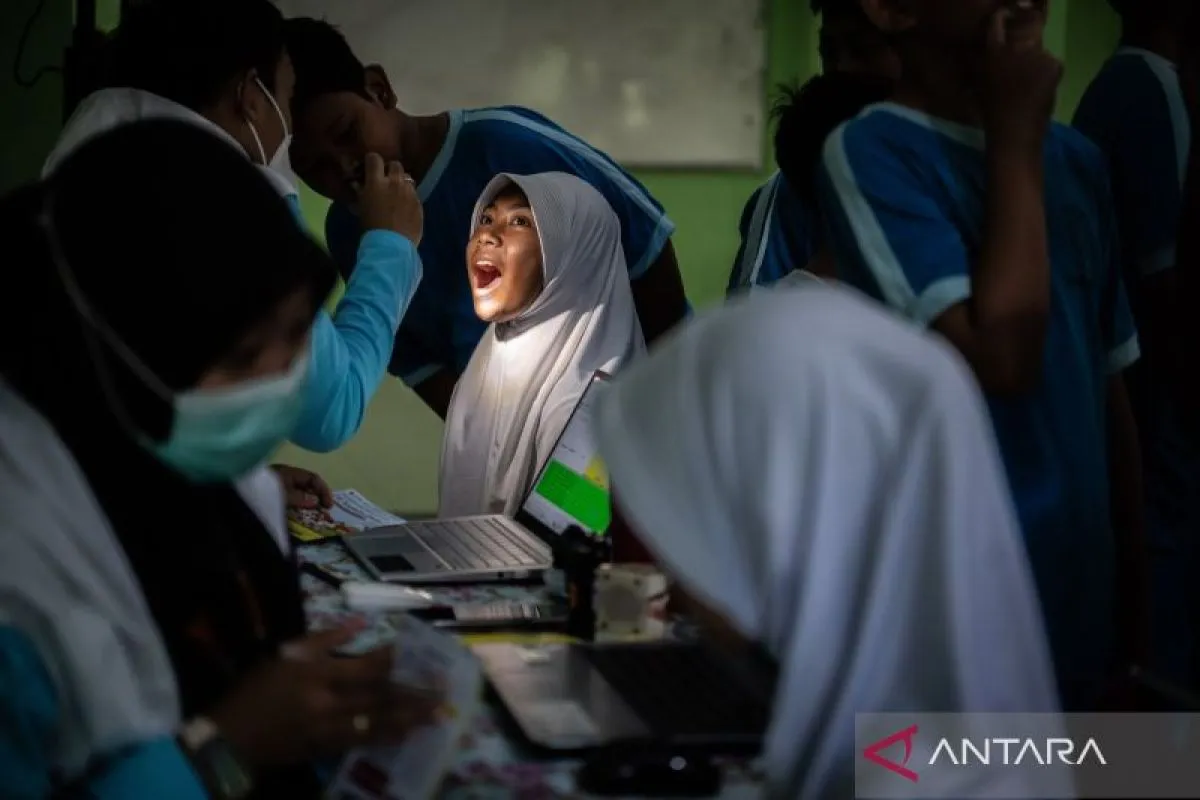
Health Minister Budi Gunadi Sadikin said on Thursday that the inclusion marks a key adjustment to the program, which previously did not cover leprosy screening.
"Previously, there was no leprosy screening. Now, we will include it starting this year," he said at a press briefing.
Although leprosy is not easily transmitted, Sadikin said the Health Ministry remains committed to detecting as many cases as possible and ensuring timely treatment.
Indonesia currently records between 13,000 and 15,000 leprosy cases, though the actual number may be higher due to underreporting, he said.
To expand detection, the ministry is encouraging mass screening by providing incentives to regional heads and community health centers that identify the highest number of cases.
In addition to incorporating leprosy screening into the CKG program, the ministry will conduct PCR tests in eastern Indonesia, where the disease remains prevalent.
Patients will receive treatment for six to 12 months until cured, while preventive medication will be provided to all close contacts, including family members, Sadikin said.
"Furthermore, we will provide prophylaxis to all close contacts," he said, reaffirming the government's target to eliminate leprosy by 2030.
At the same event, Mohammad Hasan Ansori, executive director of The Habibie Center, said the center is collaborating with the Health Ministry, The Nippon Foundation and the Sasakawa Health Foundation to develop an evidence-based intervention model to strengthen early detection and reduce stigma at the community level.
The model, currently being studied in Probolinggo, Tojo Una-Una, Mimika and Lembata, is expected to be replicated and integrated into public policy, he said.
Ansori noted that leprosy in Indonesia presents both medical and social challenges, affecting patients' quality of life and socioeconomic conditions.
Meanwhile, Ilham Akbar Habibie, chairman of the Board of Trustees of The Habibie Center, said Indonesia is among three countries with the highest number of leprosy cases globally, alongside India and Brazil.
"To end leprosy, we need a holistic approach, combining medical, social and even religious efforts," he said.
Related news: Indonesia urges PR officials to drive free health screening push
Related news: Free health checkup cover 52 mln people, boost TB screenings: minister
Translator: Mecca Yumna, Resinta Sulistiyandari
Editor: Anton Santoso
Copyright © ANTARA 2026


