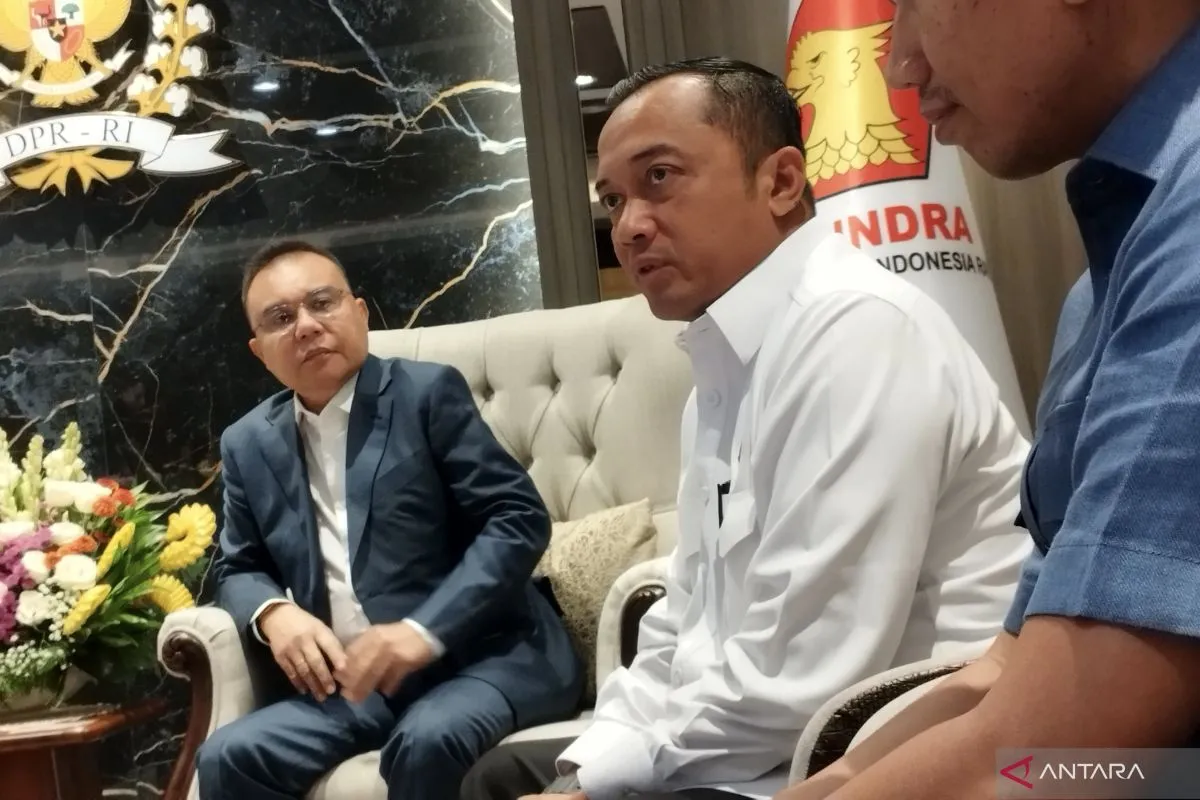
Speaking at a joint press conference with the House of Representatives (DPR) at the parliament complex in Jakarta, Hadi noted that the government recognizes political parties hold differing views on the future of the electoral system and respects the diversity of opinions being voiced.
“In line with the President’s guidance, the government’s position is clear: our thinking must always be oriented toward the interests of the nation and the state,” Hadi emphasized.
He explained that the government maintains regular coordination with the DPR, particularly Commission II, which oversees election-related matters.
This includes monitoring public debate on how regional leaders should be elected.
Hadi expressed appreciation to the DPR leadership and Commission II for preparing the Electoral Bill’s Inventory of Problems (DIM) and for committing to open channels for public participation in the legislative process.
Addressing speculation that regional heads might be elected by local legislative councils (DPRD), Hadi clarified that such proposals have not been formally discussed nor included in the DPR’s National Legislative Program (Prolegnas).
The minister also stressed that the government has no intention of altering the presidential and vice-presidential election system to one in which leaders would be chosen by the People’s Consultative Assembly (MPR).
“For example, electing the president through the MPR or removing direct elections by the people is not under consideration,” he stated.
This year, the DPR is prioritizing deliberations on revisions to the General Elections Law, which is part of the 2026 Priority National Legislative Program.
The law governs both presidential and legislative elections.
Commission II has confirmed that there are no plans to amend the principle of direct presidential elections, reaffirming that Indonesia’s head of state will continue to be elected directly by the people.
Translator: Bagus Ahmad, Kuntum Khaira
Editor: Aditya Eko Sigit Wicaksono
Copyright © ANTARA 2026


