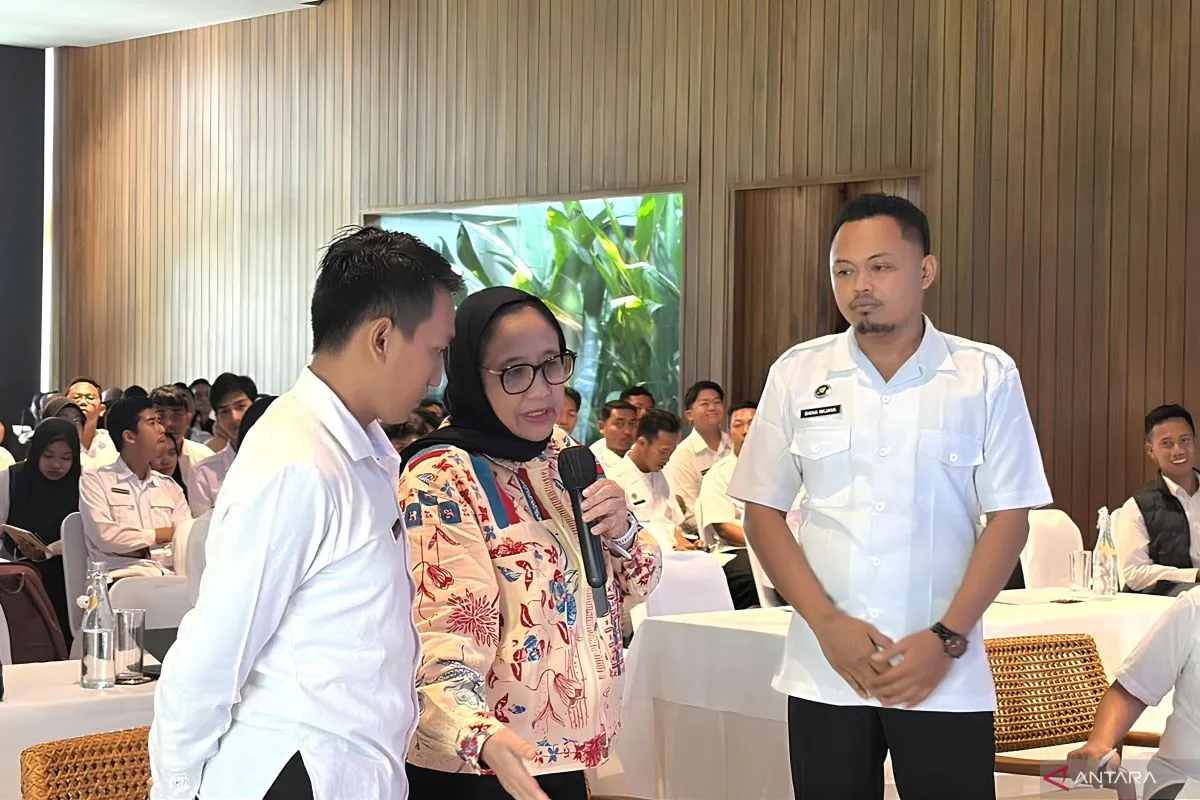
“If there are schools that do not want to join the programme, for example because their students come from wealthy families, that is fine,” BGN Deputy Head for Public Communication and Investigation Nanik Sudaryati Deyang said in a statement.
Her comments followed complaints from the head of a Nutritional Fulfilment Service Unit, or MBG kitchen, who said it was difficult to increase the number of beneficiaries because several elite schools with thousands of students had declined to participate.
Deyang said the government’s goal was to provide free nutritious meals to all Indonesian children so that none would lack proper nutrition, but participation in the programme remained voluntary.
She added that if elite schools were already able to meet their students’ nutritional needs and chose to refuse government-provided meals, it was not a problem.
Related news: Indonesia Free Meal Program to support farmers, boost local economies
Instead, she urged MBG kitchen managers to look for other prospective beneficiaries who were more in need, including students at small Islamic boarding schools, school dropouts, street children of school age, pregnant women, breastfeeding mothers and children under five.
“There are still many people who have not received these meals, even though they really need them,” Deyang said.
The Free Nutritious Meals programme was launched on Jan. 6, 2025, as one of Prabowo’s priority initiatives to improve nutrition among vulnerable groups.
It targets children under five, pregnant women, breastfeeding mothers and schoolchildren up to senior high school.
With a target of 82.9 million beneficiaries, the scheme is one of the largest social programmes ever implemented in Indonesia.
The government has said the programme is expected to play a key role in reducing stunting and malnutrition, which remain persistent public health challenges in parts of the country.
Officials have also stressed the importance of community participation and flexibility in implementation to ensure the aid reaches those who need it most.
According to BGN records, as of Jan. 20, 2026, the programme had reached about 59.86 million beneficiaries.
The meals are currently being distributed through around 21,000 Nutritional Fulfilment Service Units across the archipelago.
The agency said it would continue to evaluate coverage and adjust targeting as it works toward meeting its nationwide beneficiary goal.
Related news: Indonesia's free meals boost health, spur school attendance: BGN
Translator: Lintang Budiyanti, Raka Adji
Editor: Rahmad Nasution
Copyright © ANTARA 2026


