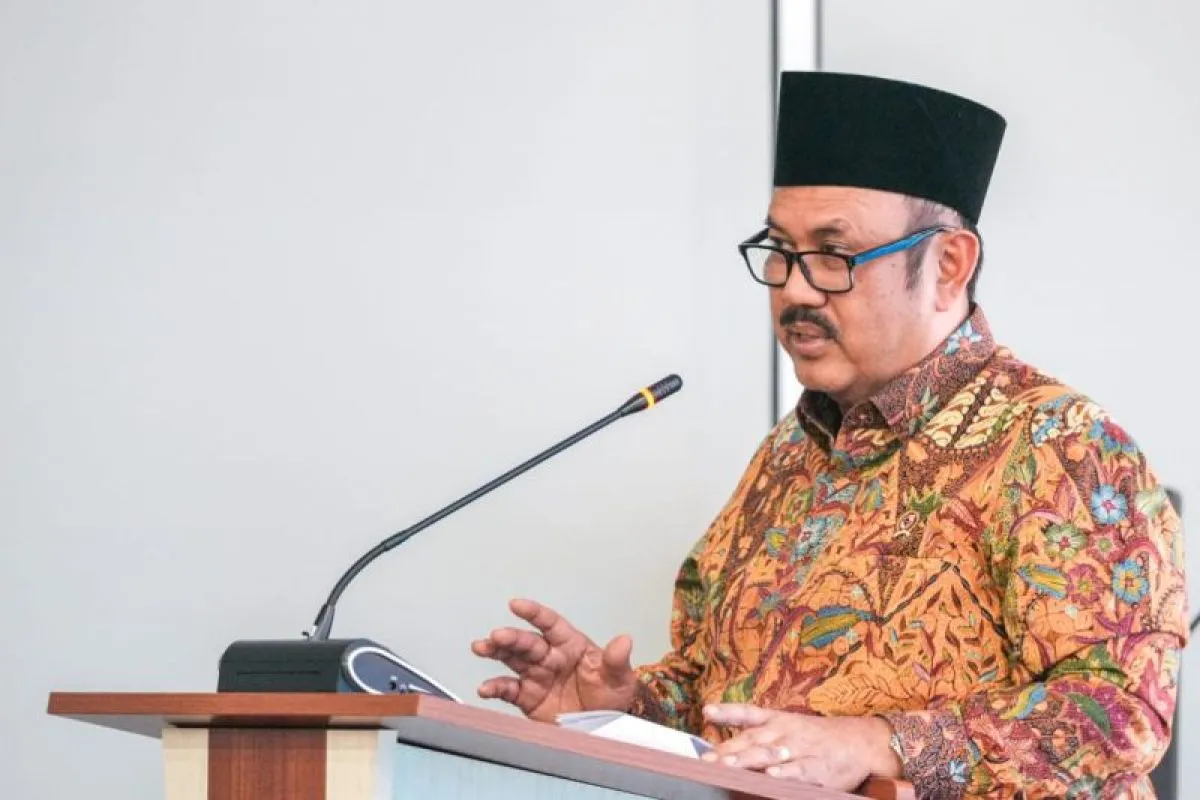
“The Free Nutritious Meals (MBG) program serves as a strategic big push model because it acts as both a push factor and a pull factor in the national economic chain, from producers to beneficiaries,” he said in a statement issued here on Tuesday.
Pambudy cited the big push theory by Paul N. Rosenstein-Rodan, which underscores the importance of a major stimulus to create structural change. In Indonesia’s context, the MBG program is considered such a stimulus.
“If budget variables for the Nutrition Fulfillment Service Units (SPPG), kitchen expenditures, and the linkage between spending and beneficiaries can be recorded by BPS, Indonesia will have strong data to demonstrate the occurrence of very significant social change,” he said.
The 2025-2029 National Medium-Term Development Plan (RPJMN) also stresses the urgency of data integration to support comprehensive monitoring and evaluation of the MBG program’s implementation.
BGN is expected to develop a digital information system capable of recording all transactions, documenting program outputs, and measuring the impacts generated.
Meanwhile, he added, BPS plays a role in collecting and verifying data at the community level to ensure the accuracy and integration of national data.
Going forward, he said, it is necessary to agree on an advanced analytical framework based on the theory of change (ToC) so that the MBG program can be measured comprehensively, from input and process to output and outcome aspects.
“The Free Nutritious Meal program is part of the journey toward achieving Golden Indonesia 2045,” he added.
Related news: BGN warns against low quality food ingredients, kitchen equipment
Related news: Survey shows strong public support for Prabowo's free meal program
Related news: Free meals program reduces household expense burden, BGN says
Translator: Alatas, Kenzu
Editor: Azis Kurmala
Copyright © ANTARA 2026


