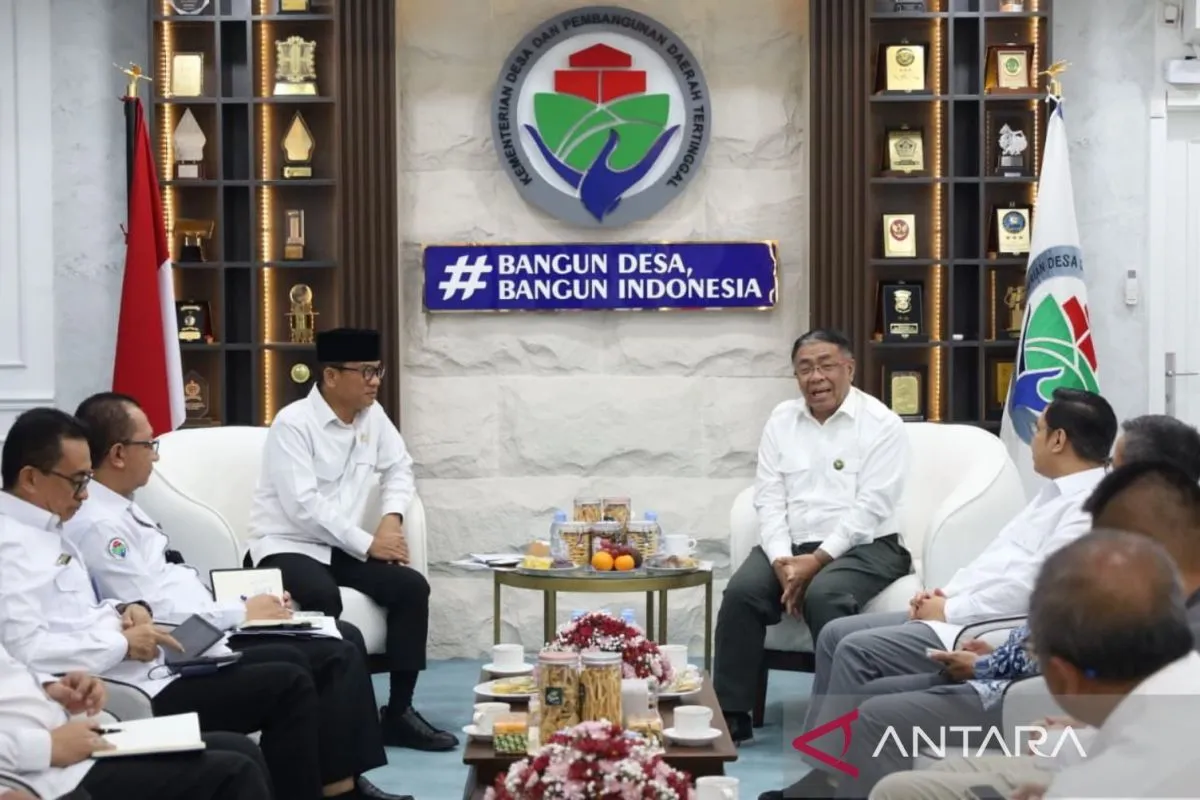
Indonesia’s National Zakat Agency (Baznas) and the Ministry of Villages and Development of Disadvantaged Regions agreed to integrate zakat, an Islamic charitable levy, into programs to strengthen rural economies across thousands of villages nationwide.
Baznas Head Sodik Mudjahid said on Thursday the partnership aims to optimize zakat collection and distribution through village-level systems, targeting sustainable economic empowerment and poverty reduction.
“As part of pilot projects, we already have a ‘zakat village’ model in Ciamis, where public awareness of zakat is high,” Sodik said in a statement issued in Jakarta.
He added that Serang district is projected as the next development area to expand the strategic collaboration, reflecting efforts to replicate successful models in other regions.
The initiative will include establishing Village Zakat Collection Units (UPZ Desa), which Sodik described as a crucial strategy to capture zakat potential directly at the grassroots level and strengthen local financial ecosystems.
The collaboration also targets productive sectors, including rural livestock development through Baznas’ Livestock Center program and economic empowerment via partnerships with village cooperatives.
Sodik said the programs would be integrated with the ministry’s extensive data and networks down to the smallest administrative units, enabling more targeted and efficient implementation.
"The most strategic step is forming UPZ Desa as the main driver, while aligning programs like livestock centers and cooperatives to empower rural communities,” he said.
Minister of Villages and Development of Disadvantaged Regions Yandri Susanto welcomed the initiative, calling it aligned with the government’s vision of building self-reliant villages through inclusive economic policies.
He said integrating philanthropic funds such as zakat into village development strategies could significantly enhance economic resilience and ensure more precise targeting of assistance.
Yandri added the ministry would fully support the collaboration, including intensifying outreach efforts so the programs reach broader communities and deliver tangible benefits.
"The collaboration will also be amplified through social media, involving influencers to maximize public awareness and impact,” he said.
Related news: Baznas backs 1,001 community empowerment zones in Indonesia
Related news: Baznas seen as key driver of social equity in Indonesia
Translator: Sean Filo Muhamad, Martha Herlinawati Simanjuntak
Editor: Primayanti
Copyright © ANTARA 2026


