Despite existing bilateral cooperation Indonesia has with a number of countries, he noted, exports for crude palm oil (CPO), coal, and ferroalloy will have to be documented through DSI.
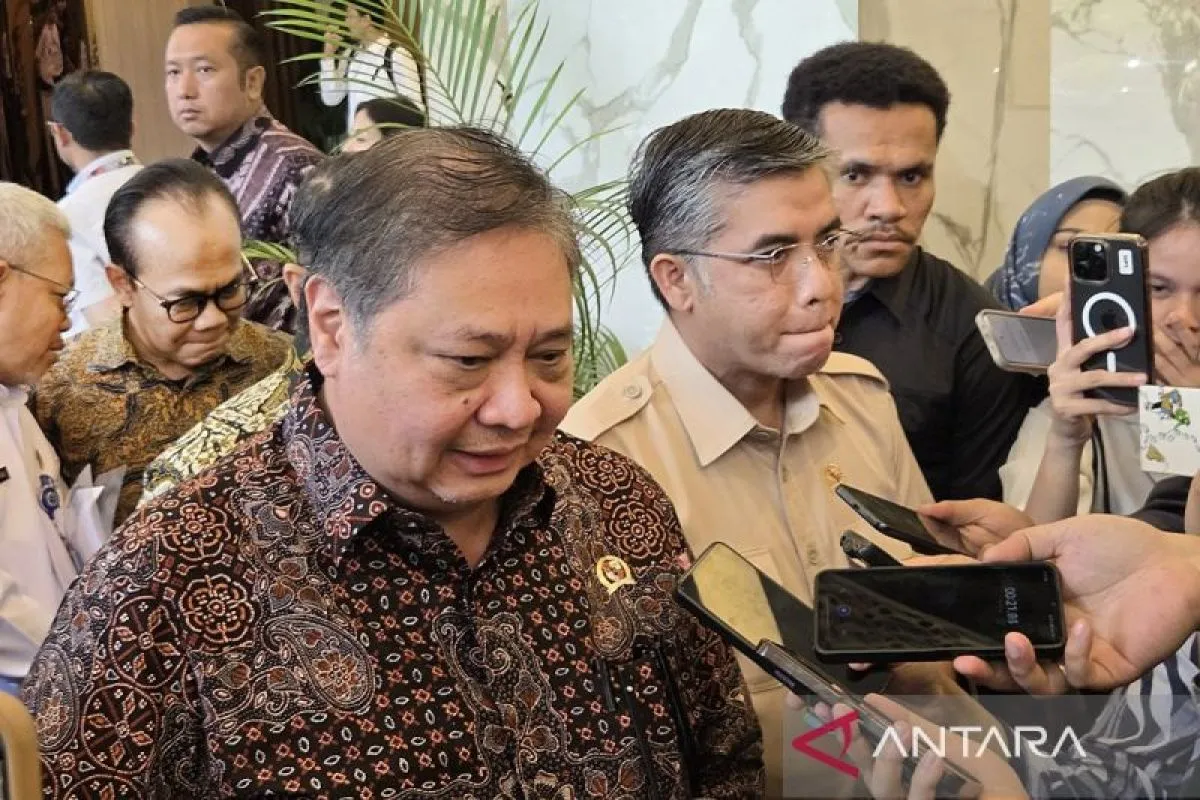
“DSI will carry out the policy with no country excluded,” Airlangga said here on Tuesday.
This differs from Indonesia’s new foreign exchange proceeds policy for natural resource export, which exempts several partner countries with existing bilateral agreements, including the US.
Under the regulation, the government provides flexibility for the implementation of bilateral trade agreements and certain arrangements and will take effect on June 1, 2026.
Meanwhile, DSI as a state-owned enterprise will operate in two phases. During the first phase, from June 1 to December 31, 2026, DSI will function as an appraiser and intermediary between sellers and buyers of selected export commodities.
Starting in January 2027, DSI will transform into a trading company that directly purchases commodities from exporters, holds the goods, assumes trade risks, and sells them on the international market.
Revenue from these commodity sales will be received in the destination country’s foreign currency while remaining compliant with prevailing international trade practices. The proceeds will then be fully repatriated to Indonesia.
This centralized model aims to curb state revenue leakages driven by trade misinvoicing and illegal export practices.
Related news: Changes in exports to DSI do not change obligations for CPO exporters
Related news: RI to finalize natural resources export rules as state shifts trade
Related news: Danantara keeps existing commodity export deals intact
Translator: Bayu Saputra, Yashinta Difa
Editor: Azis Kurmala
Copyright © ANTARA 2026


