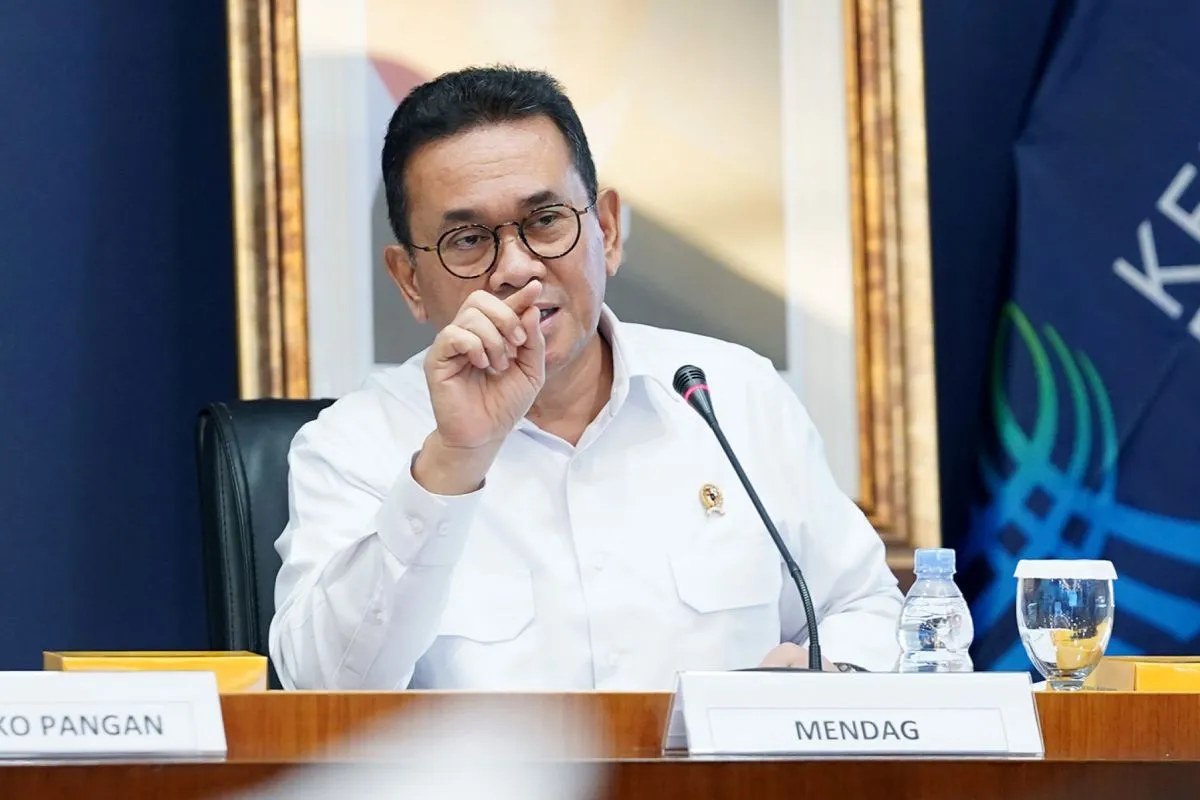
Indonesia has finalized a new e-commerce regulation aimed at strengthening small businesses and consumer protection, Trade Minister Budi Santoso said on Friday.
The regulation, which was signed by Budi and is set to replace Trade Minister Regulation No. 31 of 2023, seeks to strengthen the country's digital trade ecosystem while improving support for micro and small enterprises.
"The refinement of PMSE regulations through this new ministerial regulation is intended to strengthen a digital trade ecosystem that is fair, healthy, and beneficial,” Santoso said in a statement. “Of course, this is being carried out while taking into account dynamic technological developments,” he added.
The new regulation governing trade through electronic systems, known as PMSE, focuses on five key areas: improving the visibility of domestic micro and small enterprise products, facilitating business licensing, increasing transparency in platform partnerships, strengthening consumer protection, and enhancing digital technology governance.
Among the key provisions, digital platforms are expected to prioritize the visibility of products from domestic micro and small enterprises, provide promotional incentives, and disclose fees and promotion policies more transparently.
The regulation also requires merchants selling through digital platforms to obtain business licenses, a measure the government says is intended to provide greater legal certainty for businesses and strengthen consumer protection.
To support compliance, the government will provide a grace period for merchants to meet licensing requirements and transition gradually into a more formal digital economy.
The regulation further calls for platforms to establish complaint-handling and dispute-resolution mechanisms and includes provisions on the use of artificial intelligence (AI) in product promotion and marketing activities.
Budi said the regulation is also intended to protect businesses and consumers from unfair trade practices in the digital marketplace.
The new rule adds two business models under the category of Electronic Commerce System Operators (PPMSE): ride-hailing platforms and online travel agents (OTA).
Under the regulation, provisions related to ride-hailing platforms apply to the trading of goods facilitated through commercial features within the application and do not cover transportation services.
“Therefore, what is regulated is the buying and selling of goods, not transportation services,” Budi said.
The OTA category covers electronic platforms that sell or facilitate bookings for transportation tickets, accommodations, attractions, and travel packages.
Budi said the regulation represents an initial step toward developing a stronger digital commerce ecosystem through business assistance, training, promotion, and both online and offline outreach programs.
“A healthy digital ecosystem can be realized if we build it together,” he said.
Related news: Indonesia set to finalise e-commerce rule revision
Related news: Indonesia plans new e-commerce rules after seller complaints
Translator: Maria CG Prayudhia, Martha Herlinawati Simanjuntak
Editor: Arie Novarina
Copyright © ANTARA 2026


