Do not wait until symptoms or complications arise,Jakarta (ANTARA) - The 2026 Free Health Check (CKG) program has detected approximately one million new cases of hypertension among 9.2 million participants who had been recorded as healthy the previous year.
In addition to new cases, the Health Ministry noted that among 1.3 million participants previously classified as pre-hypertensive, 247,000 had progressed to hypertension.
A similar pattern was observed with diabetes: out of 8.3 million re-examined participants, 188,000 were newly diagnosed with diabetes, and 16,000 pre-diabetic participants progressed to the disease.
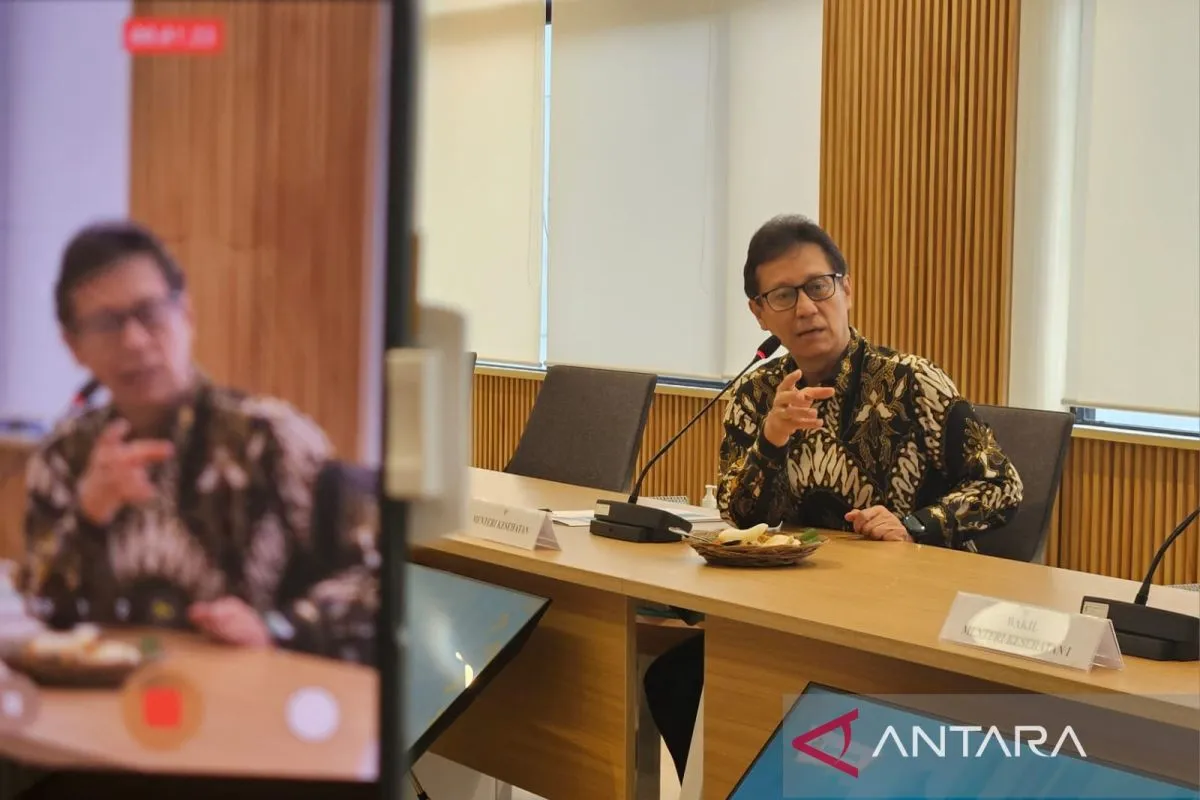
Health Minister Budi Gunadi Sadikin said these findings highlight the importance of the public participating in the CKG annually.
"We hope diseases can be detected earlier through the CKG and treated promptly. Do not wait until symptoms or complications arise," he conveyed on Thursday.
He emphasized that most non-communicable diseases (NCDs), including hypertension and diabetes, do not show clear early symptoms. Therefore, regular check-ups are crucial for detecting diseases and risk factors before they develop into fatal complications such as stroke, heart disease, and kidney failure.
On the same occasion, the ministry's Director General of Primary and Community Health, Maria Endang Sumiwi, emphasized that a person's health status is dynamic, meaning good screening results one year do not guarantee they will remain disease-free the next.
However, she noted that the CKG also recorded the positive impact of disease management. Out of 2.4 million hypertension patients who returned for a check-up, 1.1 million had successfully brought their blood pressure into the normal range.
"A similar outcome was seen among 235,000 diabetes patients out of the total 340,000 who underwent follow-up monitoring," she added.
Meanwhile, Deputy Health Minister Dante Saksono Harbuwono said the CKG program always begins with a medical interview to assess participants' symptoms, medical history, and risk factors.
"It helps to determine whether a person needs further examinations and what type of care is appropriate. This allows treatment to be provided more effectively," he pointed out.
Public health expert dr. Iwan Ariawan of the University of Indonesia added that the program's success depends on participants following up on their screening results, whether by adopting healthier lifestyles, undergoing regular treatment, or seeking further medical care when needed.
To expand the program's reach, the Health Ministry has urged the public to utilize the program at at nearby community health centers (Puskesmas) and supports regular health screenings for students.
Related news: Over 8 million Indonesians receive free health screenings: minister
Related news: Gov't to expedite chronic disease control initiative to workplaces
Translator: Mecca Yumna, Resinta Sulistiyandari
Editor: M Razi Rahman
Copyright © ANTARA 2026


