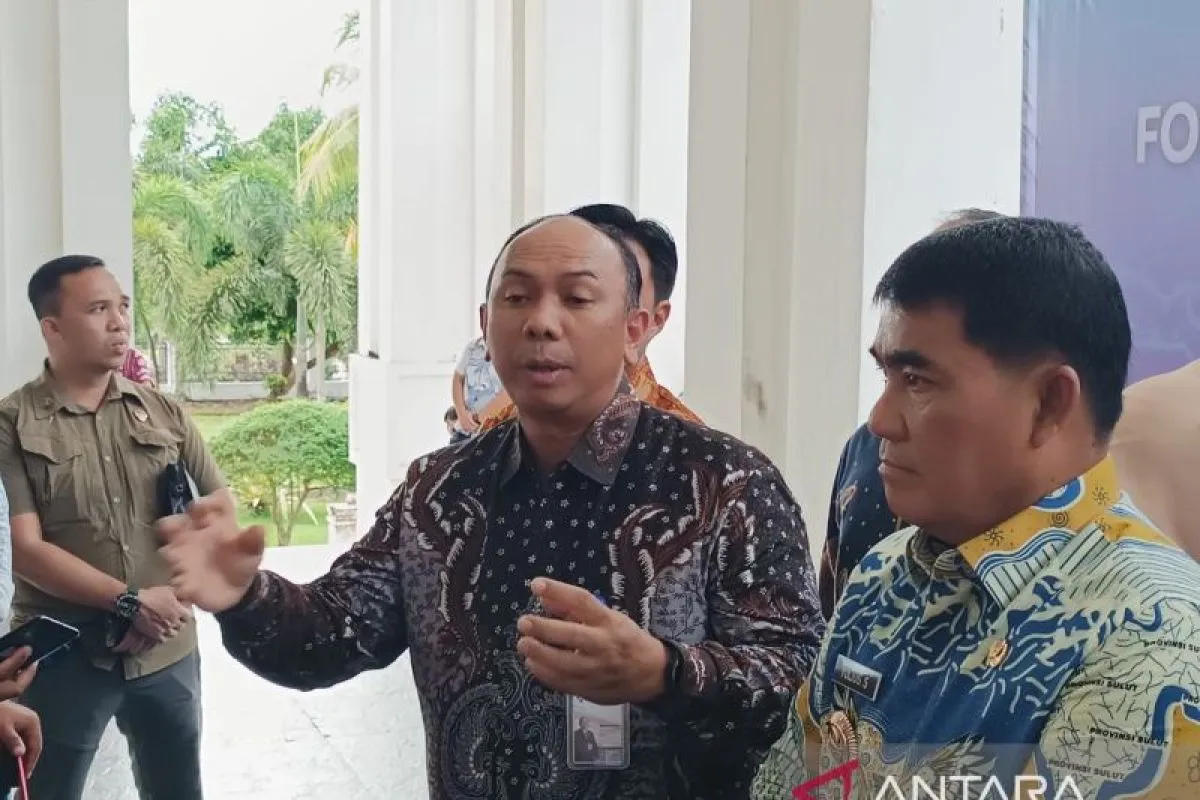
“There is still homework to do. About 3,000 villages have no signal at all, and nearly 2,220 villages have settlements but are not commercially viable. These are the areas we aim to address,” Supriyanto said after the Digital Infrastructure Acceleration Forum here on Thursday.
He explained that Komdigi, as a regulator, is seeking various technological solutions to tackle the issue.
“Considering Indonesia’s geographical contours, which include islands and urban areas, we will look for the most efficient solutions,” he added.
He noted that the ministry is also preparing a new policy called infrastructure sharing and neutrality, which will open opportunities for new players to invest in providing services to underserved regions.
“All investments will be carried out by operators in accordance with the law. As regulators, our main resource is frequency allocation, which we will release to accelerate internet penetration across Indonesia,” he said.
He acknowledged that providing nationwide telecommunication services requires substantial investment. Even operators that have existed for nearly 87 years, he noted, have yet to fully achieve nationwide connectivity.
“As of today, coverage has reached 98 percent of inhabited areas, while fiber optic networks now cover around 90 percent. By the end of 2029, we expect to extend this to all residential regions,” he concluded.
Earlier, the government said it will expand internet access to villages that remain unconnected.
President Prabowo Subianto has emphasized that national economic growth must be driven to eight percent.
As a demonstration of shared commitment, several players from the information, communication, and digital technology (ICT) industry last September signed a joint declaration during the event, pledging to accelerate digitalization in support of President Prabowo Subianto’s Asta Cita Program.
Related news: Indonesia, India collaborate on 5G, AI development
Translator: Karel, Kenzu
Editor: M Razi Rahman
Copyright © ANTARA 2025


