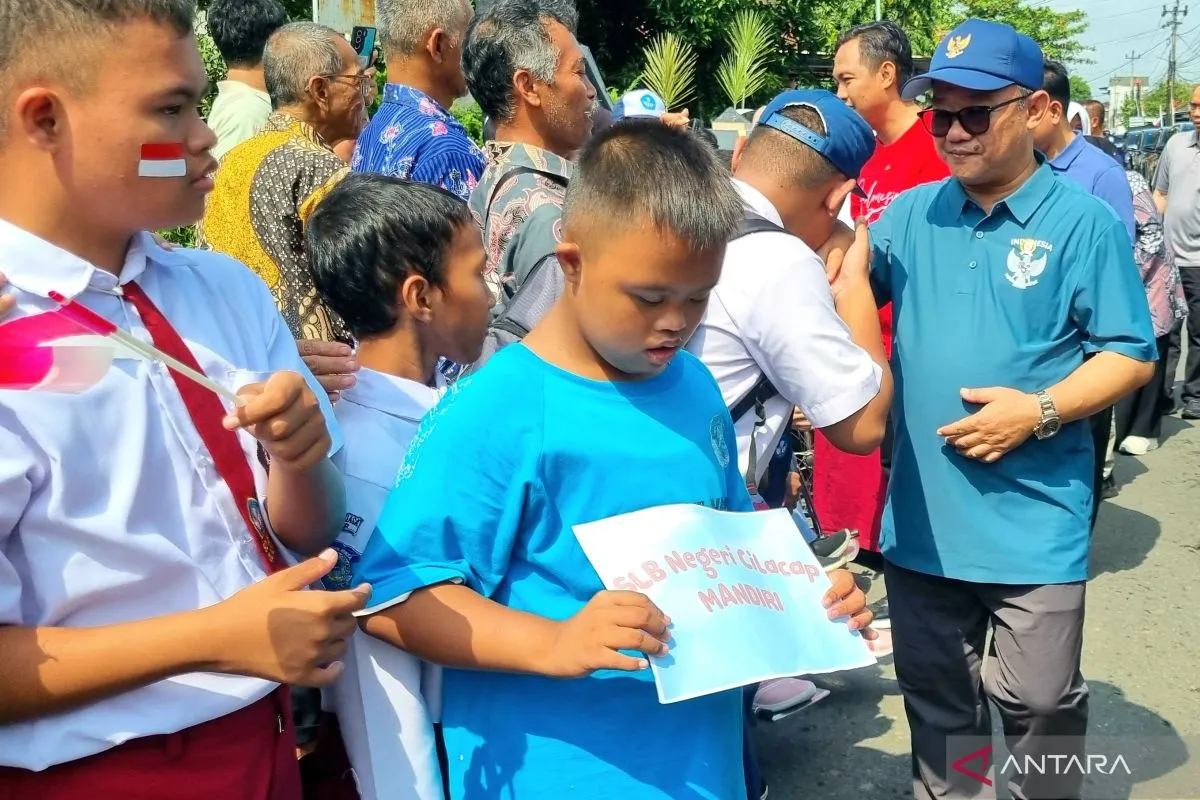
She noted that many regular schools in Indonesia still lack adequate physical and non-physical infrastructure to support students with disabilities.
“Hopefully, with the ongoing revitalization and the President’s instruction for next year, regular schools will be better prepared to accommodate students with disabilities,” she said here on Friday.
She referred to 2021 data showing that only 14.83 percent of thousands of inclusive schools had dedicated special guidance teachers. Most schools were not yet ready in terms of disability-friendly facilities or qualified personnel.
She said Commission X continues to strengthen collaboration across ministries and institutions through the revision of the National Education System Law (Sisdiknas), which aims to harmonize regulations and improve the quality of inclusive education services.
“The revision of the Sisdiknas Law emphasizes that all educational institutions, including general, vocational, religious schools, and pesantren (Islamic boarding schools), have the mandate and authority to provide inclusive education services,” she added.
Sjaifudian also underscored that providing quality and inclusive education is mandated by the Constitution and national laws, making its implementation a shared responsibility beyond special schools.
“Inclusive education is not limited to certain schools but is a shared responsibility,” she stressed.
The Indonesian government has introduced the school revitalization program as one of the quick-win initiatives of President Prabowo Subianto’s administration, targeting 16,177 schools across the country in 2025.
The program aims to ensure that schools nationwide have adequate facilities and infrastructure to support continuous learning.
Related news: Indonesia pushes cross-sector efforts to empower disabled citizens
Related news: Indonesia to adopt inclusive education for children with disabilities
Translator: Hana Dewi, Raka Adji
Editor: Primayanti
Copyright © ANTARA 2025