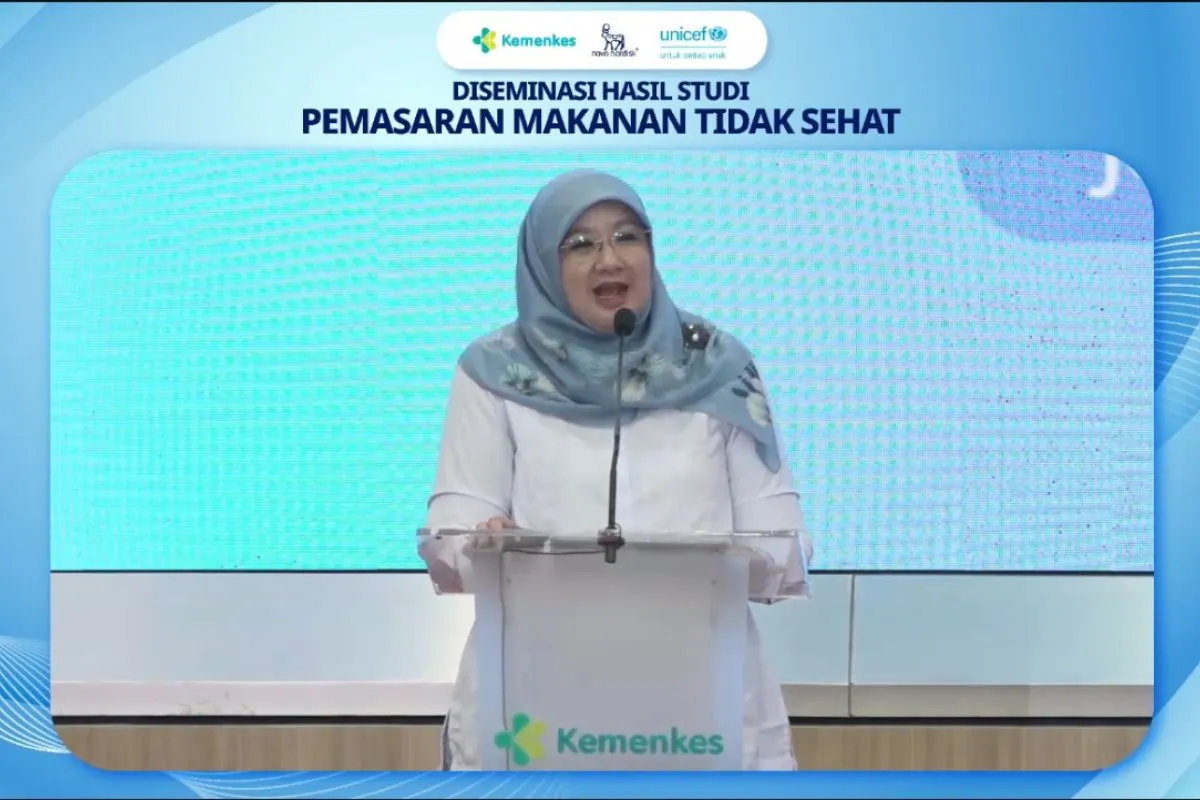
The ministry's director for control and prevention of non-communicable diseases, Siti Nadia Tarmizi, confirmed here on Friday that currently, they are updating the national clinical guideline for obesity treatment (PNPK), following findings from Free Health Checkup (CKG) that show obesity as a top-five health issue commonly found among adults and the elderly.
"It includes the treatment procedure because all along, treatment is given for those with obesity with symptoms of other diseases, such as heart disease and mobility issues," she noted.
She stated that the ministry will include health experts in their assessment to consider their input regarding the use of the medicine for therapy for obesity.
As for coverage by national health insurance, Tarmizi said that there will be a Health Technology Assessment (HTA), as well as gauging the availability and provision of the medicine in Indonesia.
Recently, WHO issued a global guideline on the use of GLP-1 medicines in treating obesity as a chronic, relapsing disease.
WHO developed the guideline in response to requests from its Member States looking to address the challenges posed by obesity. The guideline emphasizes the importance of fair access to GLP-1 therapies and preparing health systems for the use of these medicines.
WHO Director-General Tedros Adhanom Ghebreyesus states that obesity affects people in every country and is associated with 3.7 million deaths worldwide in 2024. Without decisive action, the number of people with obesity is projected to double by 2030.
He noted that in September 2025, WHO added GLP-1 therapies to its Essential Medicines List for managing type 2 diabetes in high-risk groups.
With the new guideline, WHO issues conditional recommendations for using these therapies to support people living with obesity in overcoming this serious health challenge as part of a comprehensive approach that includes healthy diets, regular physical activity, and support from health professionals.
“Obesity is a major global health challenge that WHO is committed to addressing by supporting countries and people worldwide to control it, effectively and equitably. Our new guidance recognizes that obesity is a chronic disease that can be treated with comprehensive and lifelong care,” Ghebreyesus said.
The new WHO guidance contains two key conditional recommendations, first being that GLP-1 therapies may be used by adults, but excluding pregnant women, for the long-term treatment of obesity.
"While the efficacy of these therapies in treating obesity and improving metabolic and other outcomes was evident, the recommendation is conditional due to limited data on their long-term efficacy and safety, maintenance and discontinuation, their current costs, inadequate health-system preparedness, and potential equity implications," he said.
He also stated that intensive behavioral interventions, including structured interventions involving healthy diet and physical activity, may be offered to adults living with obesity prescribed GLP-1 therapies.
"This is based on low-certainty evidence suggesting it may enhance treatment outcomes," he added.
He warned that while GLP-1 therapies represent the first efficacious treatment option for adults with obesity, the WHO guideline emphasizes that medicines alone will not solve the problem.
According to him, addressing obesity requires a fundamental reorientation of current approaches to a comprehensive strategy built with three pillars, including creating healthier environments through robust population-level policies to promote health and prevent obesity.
"Protecting individuals at high risk of developing obesity and related comorbidities through targeted screening and structured early interventions; and ensuring access to lifelong, person-centered care," he added.
Related news: Government limits high-sugar F&B advertising against childhood obesity
Related news: Half of Indonesian women have abdominal obesity: ministry
Related news: Over 8 million Indonesians receive free health screenings: minister
Reporter: Mecca Yumna Ning Prisie
Editor: Azis Kurmala
Copyright © ANTARA 2025


