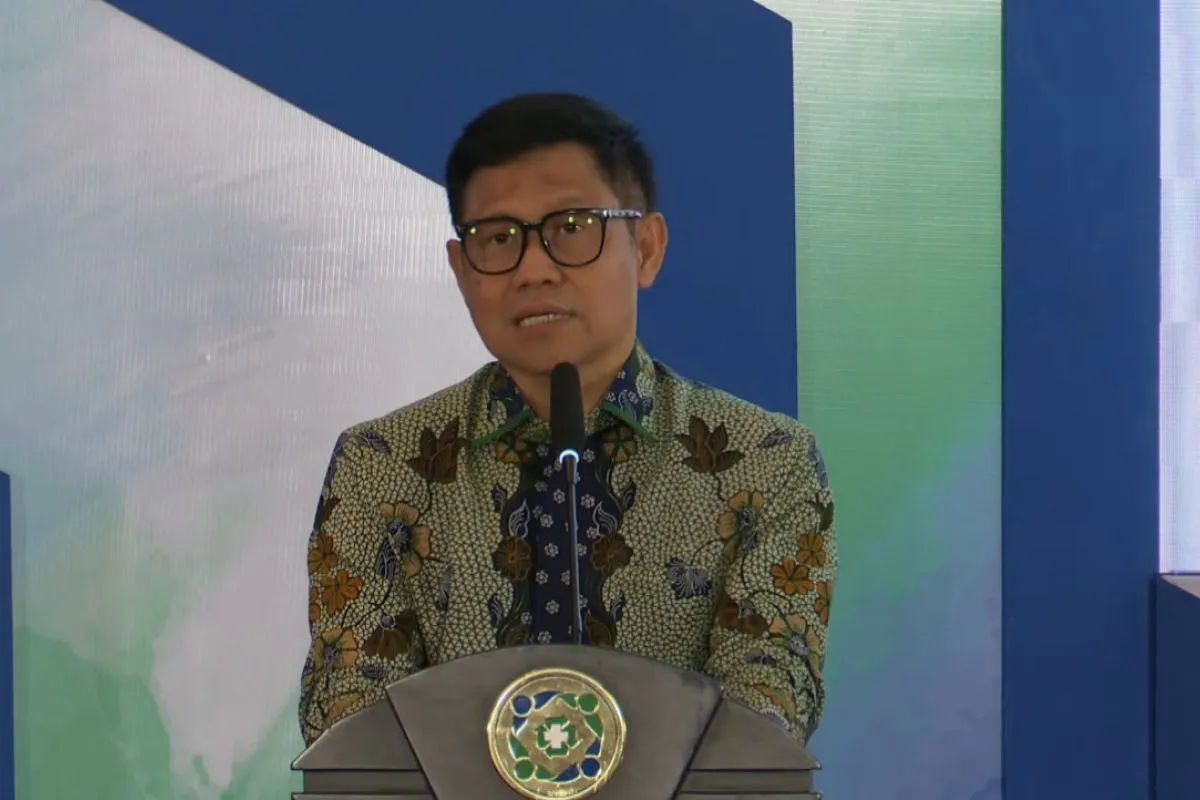
Coordinating Minister for People Empowerment Abdul Muhaimin Iskandar said on Friday that JKN has grown into one of the world’s largest social security systems, with a coverage rate of 98 percent—higher than the global average of around 60–70 percent.
“JKN has so far succeeded in reducing no less than 70 percent of the public’s health expenditure burden,” he said.
He stressed that Indonesia needs to accelerate the adoption of digital health innovations, including telemedicine, data integration, and facility upgrades, to ensure access to comprehensive and high-quality health insurance for all.
Beyond technological improvements, social and cultural shifts are also needed, he added, to encourage a stronger preventive approach to health.
He pointed out that Indonesia still imports many ingredients that have become common household staples.
“Sugar and carbohydrates, which carry health risks, still dominate our daily lives, while the use of healthier substitute foods remains very low,” he said.
He also noted that during Car Free Day events—intended to promote physical activity—many vendors still sell unhealthy foods.
According to him, both structural and cultural reforms are essential. During a meeting with the National Nutrition Agency (BGN), he emphasized the goal of reducing reliance on imported food ingredients to zero.
Workplaces, he said, should begin making changes as well. He cited his own office, where unhealthy foods remain common.
“I eat when I get stressed. I know it’s unhealthy, but things are starting to change. I’ve said, ‘Why do we consume junk food when it offers no added value?’” he said.
He added that promoting innovation to improve quality of life, as well as the quality and coverage of JKN, will allow people to pursue more productive activities without fear of health risks.
Districts and cities that have achieved universal health coverage (UHC) status also show higher levels of welfare, he noted.
“This is concrete evidence that UHC is a highly strategic investment for the future,” he said.
To further improve the health insurance system, he said, Indonesia must address several challenges, including unequal access to services, inconsistent service quality, and low health literacy.
Related news: Minister calls for innovative anti-fraud measures to strengthen JKN
Related news: Govt reaffirms BPJS health for all people, regardless of social class
Related news: Indonesia allocated US$1.25 bln to cover BPJS Kesehatan fees
Reporter: Mecca Yumna Ning Prisie
Editor: Azis Kurmala
Copyright © ANTARA 2025


