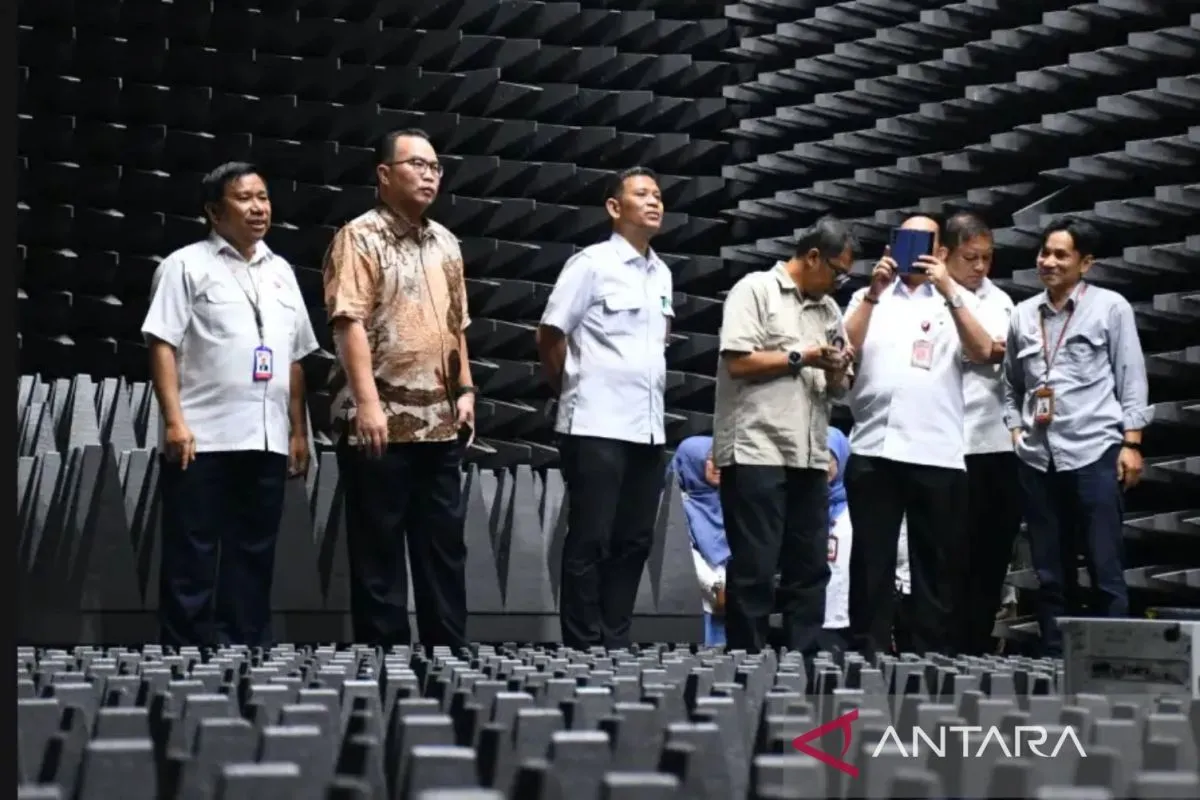
Arif made the statement during a working visit to the M. Ibnoe Subroto Science Area in Rancabungur, Bogor, West Java, on Wednesday.
The visit focused on reviewing the readiness of space research facilities, preparations for the launch of the A4 satellite, and the development of a spaceport considered strategic for the nation’s technological future.
In a statement released here on Friday, Arif emphasized that accelerating space development cannot rely solely on physical infrastructure.
He said clear governance, role distribution, and coordination among units are key factors in ensuring strategic programs run effectively and efficiently.
“We must not be trapped in overlapping authorities. What is needed is an integrated system,” Arif said.
He explained that discussions on national space institutional arrangements are still ongoing with the Ministry of Administrative and Bureaucratic Reform and other relevant ministries and agencies.
However, he stressed that functional effectiveness is more important than organizational form.
“The main point is how space-related functions can operate in an integrated and sustainable manner,” Arif Satria said.
Arif also underscored that excellence in the space sector can only be achieved through hard work and consistent commitment.
He encouraged researchers to increase both the intensity and quality of their research, including by taking advantage of increasingly available overseas research grant opportunities.
BRIN, he added, remains committed to continuously improving research funding mechanisms and incentive systems to support scientific publications and the development of strategic technologies.
Meanwhile, BRIN Senior Engineer at the Rocket Technology Research Center Rika Andiarti said the development of a spaceport has been outlined in the National Space Master Plan 2017–2040, which sets out Indonesia’s long-term vision in the space sector.
“The master plan is evaluated every five years. In the current context, several targets and strategies need to be redefined to be more adaptive and realistic,” Rika said.
Related news: Research support key to Indonesia's aerospace competitiveness: PTDI
Related news: Bulog partners with BRIN to use technology to protect rice stocks
Translator: Sean Filo Muhamad, Primayanti
Editor: M Razi Rahman
Copyright © ANTARA 2026


