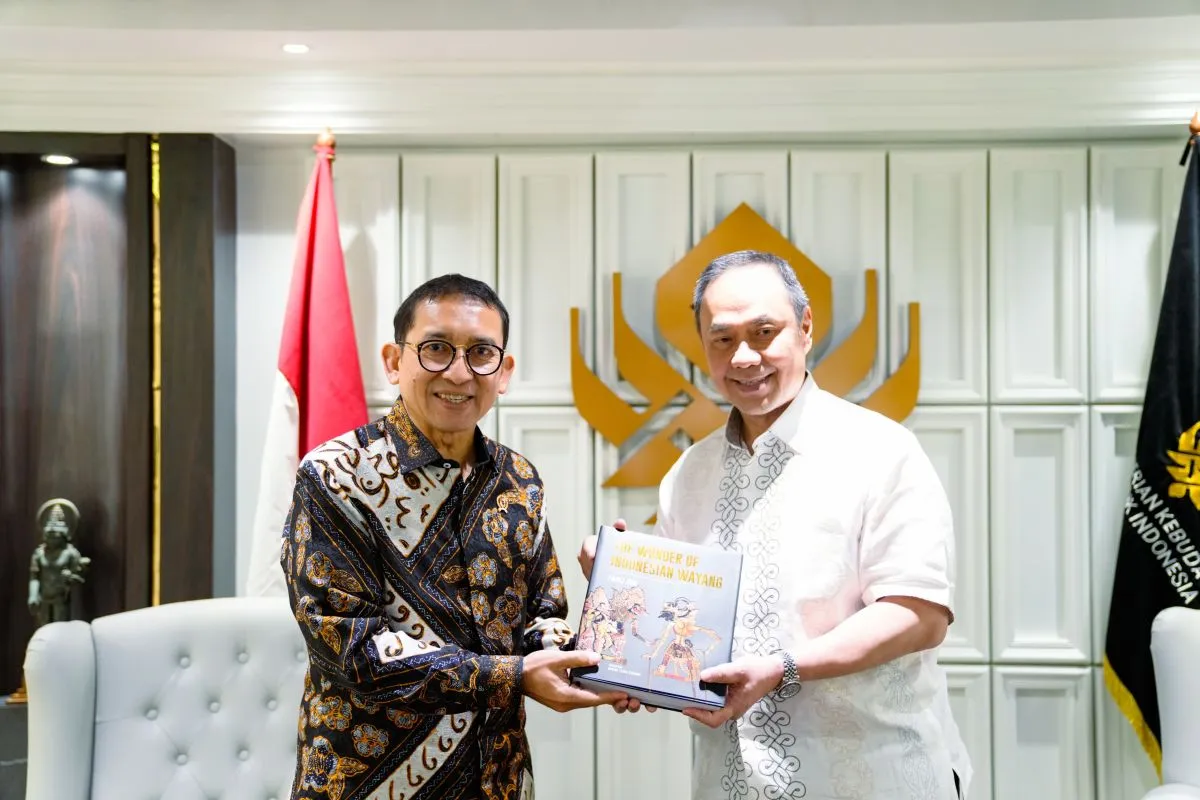
In a ministry statement issued on Saturday, Zon emphasized that mapping cultural human resources must be comprehensive and data-driven to ensure talent development is based on evidence rather than assumptions, while also opening opportunities for broader collaboration.
“Through a national program, we could identify the hidden talents of students across Indonesia,” he said.
Speaking at a meeting on cultural human resources and talent management, Zon reviewed the results of an arts talent mapping initiative conducted by the ESQ Group and stressed the importance of placing the arts on equal footing with national talent development priorities.
“The government plans to prioritize STEM, which stands for Science, Technology, Engineering, and Mathematics. This can be expanded into STEAM by adding arts,” he said.
The mapping followed a six-month program and used Talent DNA assessments involving 870 students from three schools. It covered six arts fields, performing arts, visual arts, design, crafts, literature, and media arts, including film and animation.
Zon also highlighted the importance of recognizing non-academic competencies, noting that many cultural practitioners develop their expertise through long experience rather than formal education.
“There are people whose formal education is limited, but they are already highly skilled in their fields. We must appreciate that form of competence,” he said.
He said the ministry will continue working to build a data-based cultural talent management system that is potential-oriented and supports sustainable arts development in line with current needs.
Going forward, the results of the mapping are expected to serve as a basis for formulating more targeted cultural policies and development programs at both the national and regional levels.
Related news: RI Govt launches DNA-based student talent mapping program
Related news: Student talent management key to develop competitive HR: Minister
Translator: Sri, Kenzu
Editor: Primayanti
Copyright © ANTARA 2026


