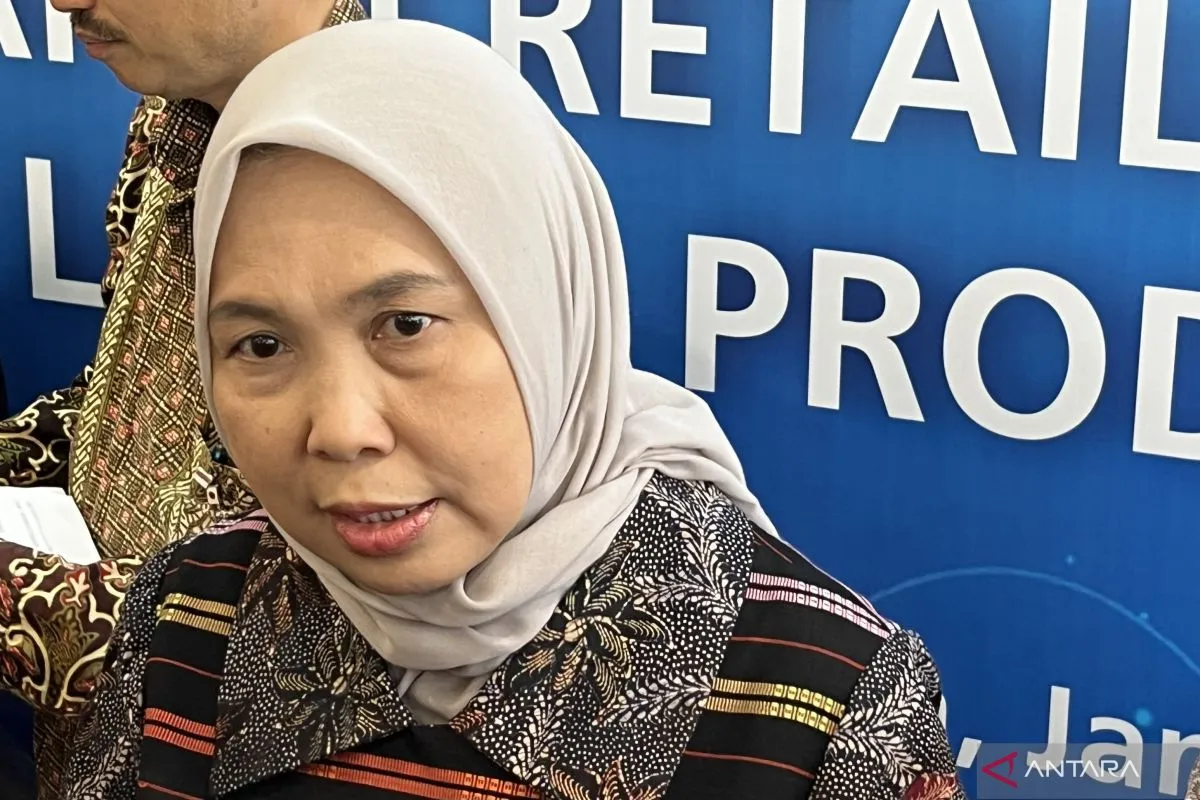
"Indonesian products that are exported, when they enter the destination country, must comply with the standards applied there. That is why businesses are expected to align their standards, because when we send goods, they must meet market demand," Puntodewi said when met here on Tuesday.
She assessed that Indonesia has strong potential to become a producer and supplier of products across various industrial sectors.
Therefore, education, capacity building, and business matching involving stakeholders, including the government and retailers from other countries, are crucial so that micro, small, and medium enterprises (MSMEs) can gain knowledge about standardization and international market interest.
"If they can grow further, they can collaborate more deeply, and we can also expand our supply," she said.
Meanwhile, President Director of the Japan External Trade Organization Jakarta Shinji Hirai said product standardization is vital for international trade activities.
"If products already meet international standards, exports will not be limited to Japan but can be expanded to other countries. That is what is highly expected. In this way, both countries will benefit in a win-win situation and see better prospects ahead," Hirai said.
In addition, he said business matching events between companies from each country are expected to strengthen bilateral relations and drive economic activity in both countries.
"Hopefully, this will be useful and help Japanese companies find new suppliers. We hope to develop this project by considering the needs of Japan and Indonesia," Hirai said.
Related news: Village cooperatives urged to prioritize local products
Related news: Ministry to rebrand thrift markets, promote sale of local products
Related news: Indonesia pushes local alternatives for thrift traders amid import ban
Translator: Arnidhya, Kenzu
Editor: Azis Kurmala
Copyright © ANTARA 2026


