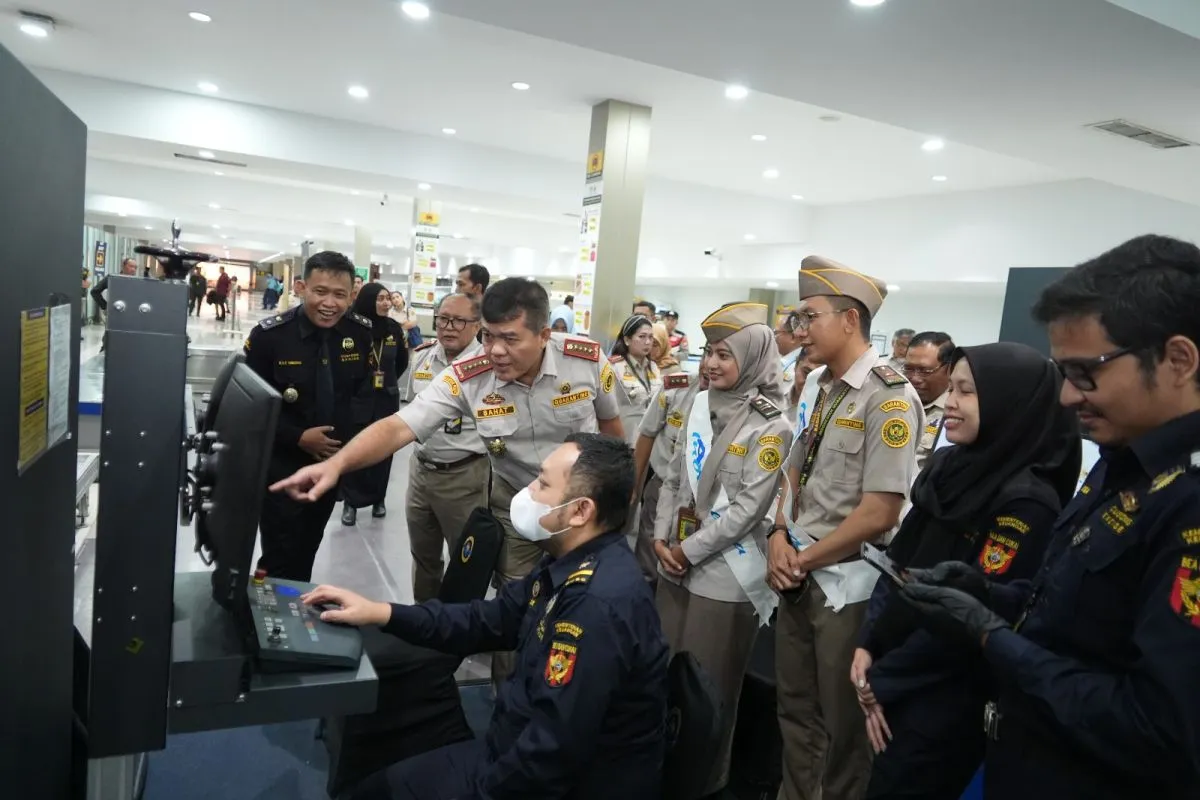
Barantin Head Sahat Manaor Panggabean said the agency is strengthening vigilance through a risk management approach, the application of a modern quarantine system, and cross-sector coordination to safeguard public health, food security, and national biosecurity.
“This is part of our efforts to prevent dangerous infectious animal diseases from entering and spreading within Indonesia,” Panggabean said in a statement on Friday.
He explained that the Nipah virus is a highly pathogenic zoonotic disease that can be transmitted from animals to humans, with fruit bats of the Pteropus species identified as the primary natural reservoir.
Transmission may occur through live animals such as pigs and horses, animal products, plants, the environment, as well as contaminated means of transportation, he added.
Panggabean noted that although no Nipah virus cases have been detected in Indonesia to date, ecological conditions, trade flows, and the mobility of people and carrier commodities continue to pose potential risks that require serious anticipation.
At the regional level, Barantin has been closely monitoring reports of human Nipah cases in West Bengal, India, as of late January 2026. The development has prompted heightened vigilance at entry and exit points, particularly in border areas.
Related news: Soekarno-Hatta Airport strengthens screening to prevent Nipah virus
In coordination with the Ministry of Health, the Ministry of Agriculture, and other relevant agencies, Barantin is ensuring preparedness by strengthening human resources, laboratory capacity, and animal disease surveillance systems, Panggabean said.
As a preventive measure, the agency has implemented controls at the pre-border, border, and post-border stages. These include rejecting or destroying imports of bats, pigs, and horses from countries infected with or not yet declared free of the Nipah virus, as well as applying risk-based monitoring to animal and plant products.
Based on quarantine traffic data, Barantin recorded no imports of live bats and no pig imports into Indonesia throughout 2025.
“Meanwhile, pork imports originate from countries that have been declared Nipah-free by the World Organisation for Animal Health (WOAH) and remain under strict quarantine supervision,” Panggabean said.
He warned that the introduction of the Nipah virus could pose serious threats to public health and trade, potentially triggering livestock outbreaks, economic losses due to culling, and restrictions on exports of Indonesian animal products.
“Therefore, a strong quarantine system is the main bulwark of national protection,” he emphasized.
Barantin also called on businesses and the public to comply with quarantine regulations, avoid illegal imports of animals and animal products, and report any cases of sick animals or unexplained deaths as part of collective prevention efforts.
Related news: Bali tightens vigilance against Nipah virus spread via pigs
Related news: Indonesia warned to tighten airport surveillance against Nipah virus
Translator: Aria Ananda, Resinta Sulistiyandari
Editor: Primayanti
Copyright © ANTARA 2026


