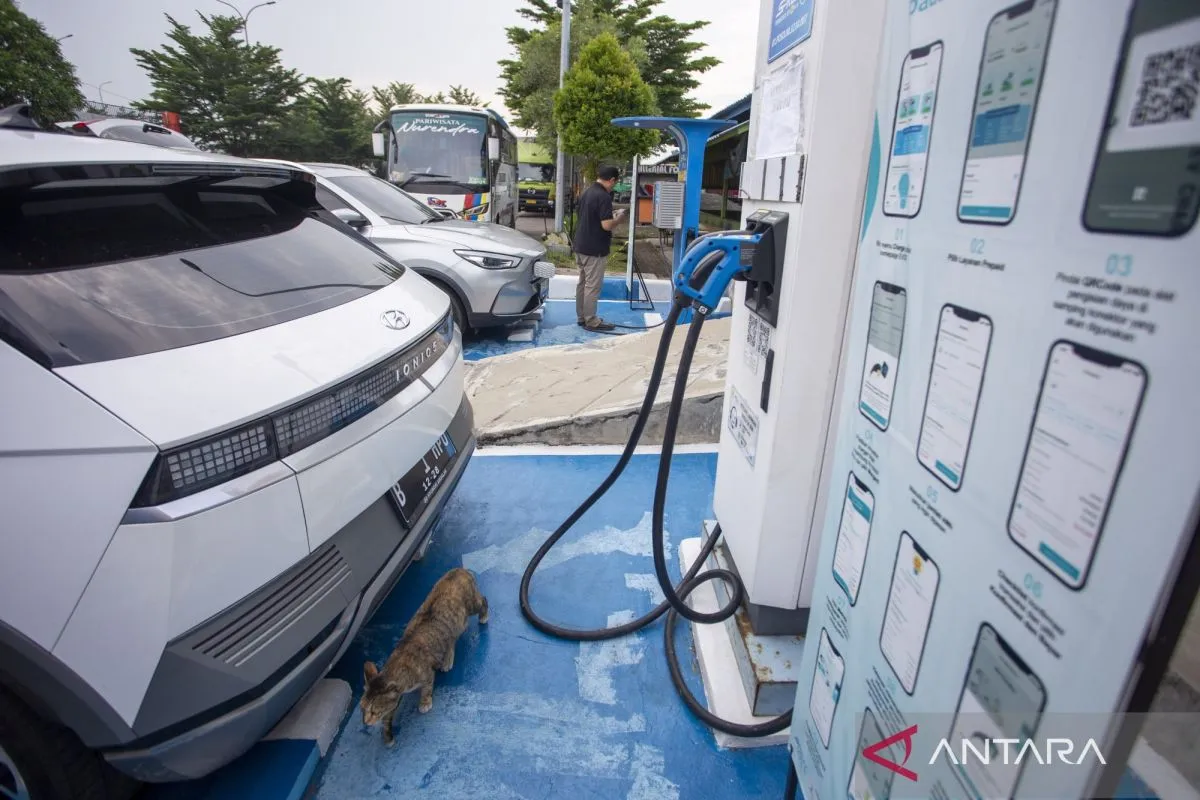
“From the end of 2023 through the end of 2025, the market increased from about 17,000 units to roughly 103,000 units,” said M. Rachmat Kaimuddin during an industry discussion in Jakarta on Friday.
The gains extend beyond sales. Since the regulation took effect, global and regional automakers have accelerated investment plans, encouraged by clearer rules and rising demand in Southeast Asia’s largest economy.
Before the policy, only two manufacturers operated in Indonesia’s electric vehicle market.
That number has now risen to at least 10, with more preparing to establish local operations, Kaimuddin said.
Their combined market share has surged to about 65 percent, up from roughly 12 percent previously, reflecting deeper localization and a broader lineup of models competing for Indonesian buyers.
The regulation has also spurred wider product offerings, giving consumers more options tailored to everyday transport needs as competition intensifies across price points and vehicle segments.
The number of electric vehicle models available has jumped to more than 100 from about 30, alongside lower prices, improved quality, and larger battery capacities, he added.
Kaimuddin noted that the policy was designed to address Indonesia’s previously small electric vehicle market, which had been constrained by limited product variety and relatively high prices.
Rian Ernest, secretary general of the Electric Mobility Ecosystem Alliance, said the regulation marks a concrete step by the government to activate the domestic electric vehicle ecosystem.
Expanding adoption, he added, will deliver environmental benefits while strengthening national energy security by reducing reliance on imported fuels.
Ernest emphasized that the policy aligns market growth with industrial development, helping synchronize demand, manufacturing capacity, and supporting infrastructure in the medium term, while strengthening supply chains nationwide over the coming years.
Presidential Regulation No. 79 of 2023 also provides clearer policy direction, creating space for cross-sector collaboration essential to building a sustainable electric vehicle ecosystem and supporting long-term national development.
Translator: Chairul R, Rahmad Nasution
Editor: Aditya Eko Sigit Wicaksono
Copyright © ANTARA 2026


