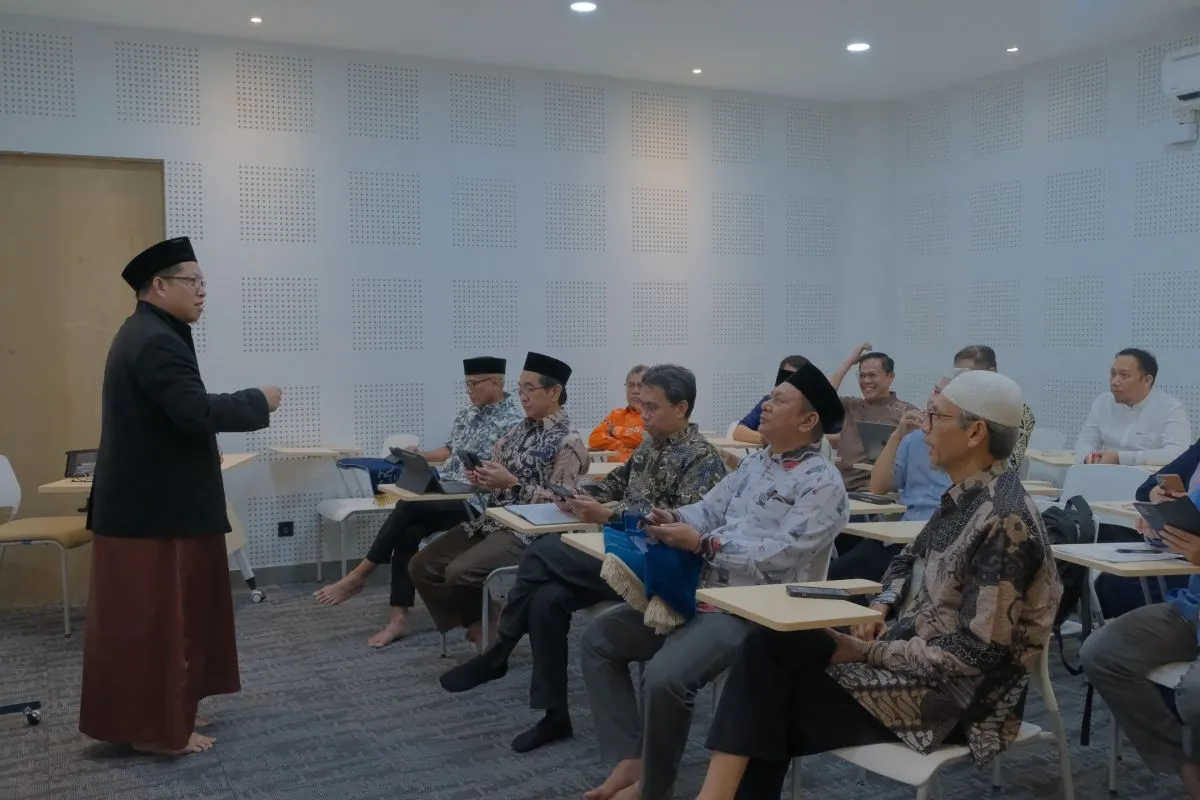
Applied linguistics expert Professor Yusring Sanusi Baso said the initiative aims to connect language skills with sociocultural contexts and professional protocols common in Middle Eastern academic environments.
“This approach equips university leaders with cultural capital that is crucial for navigating transnational research and education partnerships,” Yusring said in a statement issued in Makassar on Saturday.
He said language proficiency enables researchers to access global literature, publish scientific findings and participate more effectively in international academic forums.
At the same time, cultural understanding allows scholars to interpret social norms, collaboration ethics and sensitivities that shape research partnerships and institutional engagement across different countries.
Combining language competence and cultural literacy strengthens universities’ ability to build international collaboration, secure research funding and promote national interests through scientific exchange, innovation and knowledge transfer.
Hasanuddin University Rector Professor Jamaluddin Jompa said the program also serves as a strategic tool to overcome communication barriers in expanding global partnerships.
“This initiative provides intellectual refreshing while creating a strategic bridge for university leaders to develop more inclusive partnerships in the Middle East,” Jamaluddin said.
“By mastering language tools and understanding cultural dynamics comprehensively, we are laying the groundwork for more equal and sustainable academic diplomacy in the future,” he added.
He said the initiative reflects the university’s effort to adapt to shifting geopolitical dynamics in global higher education and research collaboration.
The program is expected to help Hasanuddin University strengthen its international academic engagement as global competition among universities intensifies.
Improving cross-cultural literacy, he said, will allow the institution to interact more effectively with partners from different cultural and academic traditions.
Deeper cultural understanding can also reduce misunderstandings in research cooperation and improve the sustainability of academic networks. The initiative is part of broader institutional efforts to internationalize research, teaching and collaboration programs with universities abroad.
By reducing cross-cultural knowledge gaps, the university aims to build partnerships that are more authentic, balanced and based on mutual understanding.
Jamaluddin said such efforts would help position Hasanuddin University as a responsive global academic actor amid changing geopolitical trends in higher education.
The initiative also supports the university’s long-term ambition to achieve recognition as a world-class university through stronger international networks.
Related news: Maluku Language Center intensifies polyglot generation movement
Related news: NTT aims to become Chinese language hub for eastern Indonesia
Translator: Abdul K, Rahmad Nasution
Editor: Primayanti
Copyright © ANTARA 2026


