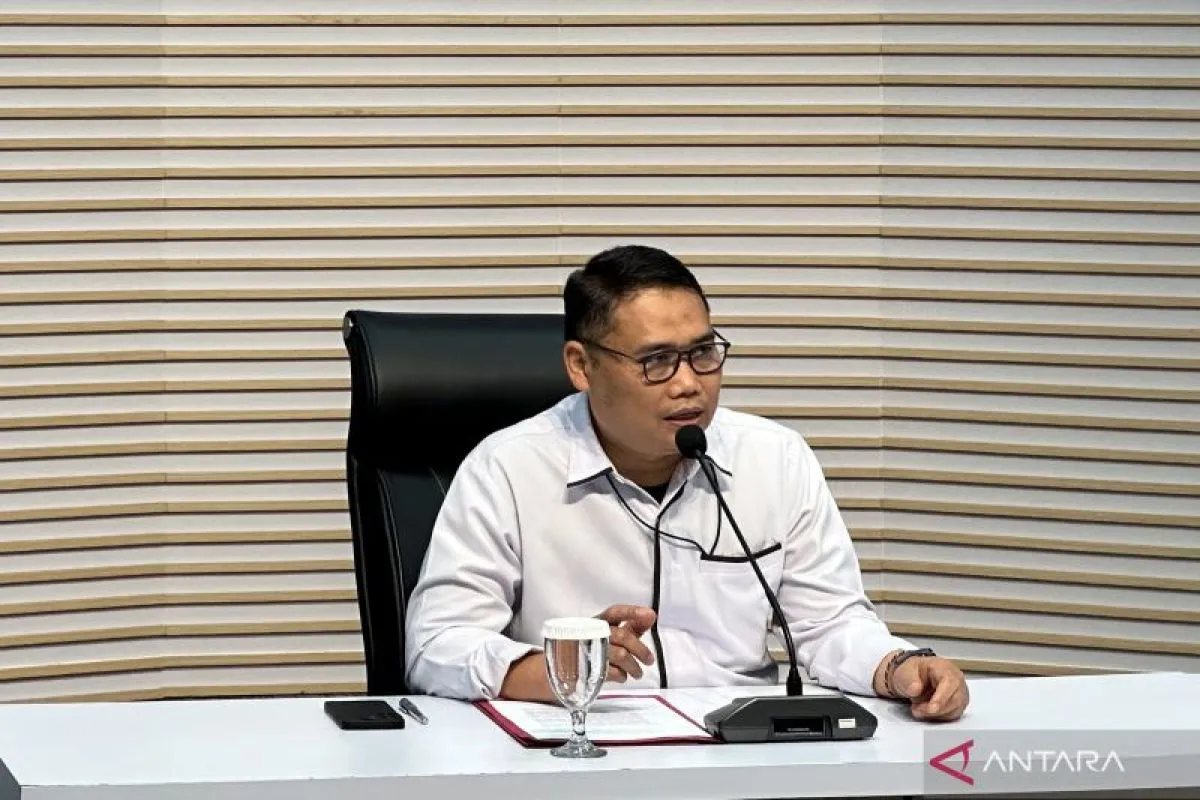
“Colleagues may notice that today’s press conference is different. You might ask, ‘Why aren’t the suspects being shown?’ That is because we have adopted the new Criminal Procedure Code,” said Asep Guntur Rahayu, acting deputy for enforcement and execution at the Corruption Eradication Commission (KPK), speaking at the agency’s headquarters in Jakarta.
Asep said the revised code places greater emphasis on safeguarding fundamental rights at all stages of criminal proceedings, including for suspects in corruption cases that are often highly publicized.
“There is the principle of presumption of innocence that protects all parties. Of course, we are obliged to comply with that,” he said.
He made the remarks while announcing suspects named in a sting operation targeting alleged bribery linked to tax audits at the North Jakarta Medium Tax Office under the Finance Ministry’s Directorate General of Taxes.
The case involves alleged graft connected to tax examinations carried out between 2021 and 2026.
Related news: Restorative justice excludes corruption, sexual violence: Minister
For years, the KPK has routinely displayed suspects—often wearing detention vests and with their hands cuffed—during press briefings, a practice critics said risked undermining due process and publicly shaming individuals before trial.
The agency’s decision marks a visible shift in its long-standing media approach as Indonesia updates its criminal justice framework.
The new Criminal Procedure Code was signed into law by President Prabowo Subianto and promulgated by State Secretary Prasetyo Hadi on Dec. 17, 2025, replacing regulations that had been in force for decades.
Under Article 369 of the law, the revised code took effect on Jan. 2, 2026. Legal experts say the changes are intended to balance effective law enforcement with stronger protections for suspects’ rights, including limits on public exposure before court verdicts are issued.
Related news: Government welcomes judicial review of new criminal codes
Translator: Rio F, Tegar Nurfitra
Editor: Rahmad Nasution
Copyright © ANTARA 2026


