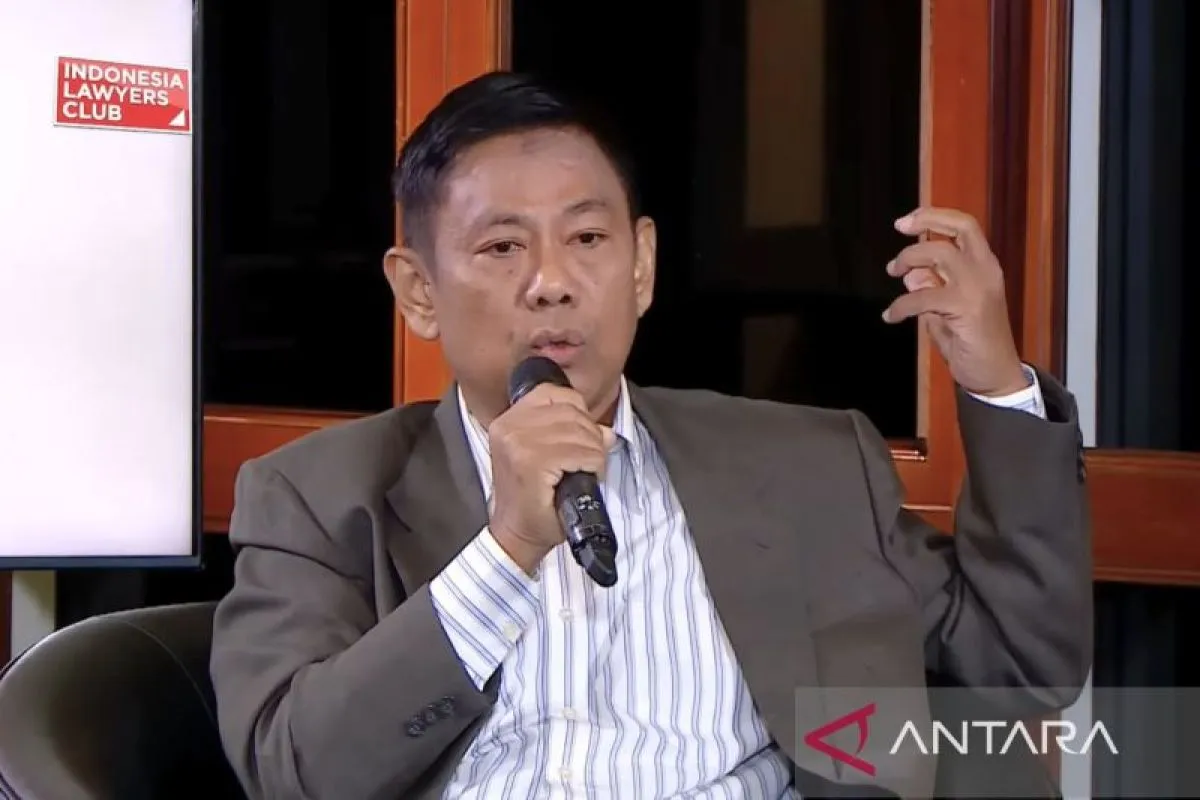
The change followed the alleged involvement of a Strategic Intelligence Agency (Bais) officer in the acid attack against the Commission for the Disappeared and Victims of Violence (KontraS) activist Andrie Yunus.
“The military is trying to send a message that it does not tolerate violations, even when they involve strategic units,” Selamat Ginting of the National University said on Friday.
According to Selamat, the acid attack has triggered strong emotional reactions across Indonesian society.
Public pressure has pushed the government, particularly President Prabowo Subianto, to respond and instruct the military headquarters to fully investigate the case.
The president’s direct order is certain to drive the armed forces to pursue the investigation more seriously, he added.
At the same time, doubts have emerged over the transparency of the probe, as legal proceedings within the military follow distinct mechanisms from civilian courts.
Selamat said the military must ensure openness to uphold justice in the ongoing legal process.
“If it is not handled swiftly and transparently, this case could escalate into a broader crisis of trust in the military,” he said.
He added that replacing the intelligence chief could also help counter perceptions that the military protects its own personnel from legal consequences.
“This step can also be seen as a preemptive move to prevent politicization. In a democratic climate, any case involving armed personnel risks being drawn into the political arena,” Selamat said, urging authorities to pursue the investigation until those responsible for the attack are fully identified.
Related news: Resignation over attack seen as "good example," MP says
Related news: Indonesia pushes full probe into acid attack on rights activist
Translator: Walda M, Rahmad Nasution
Editor: Primayanti
Copyright © ANTARA 2026


