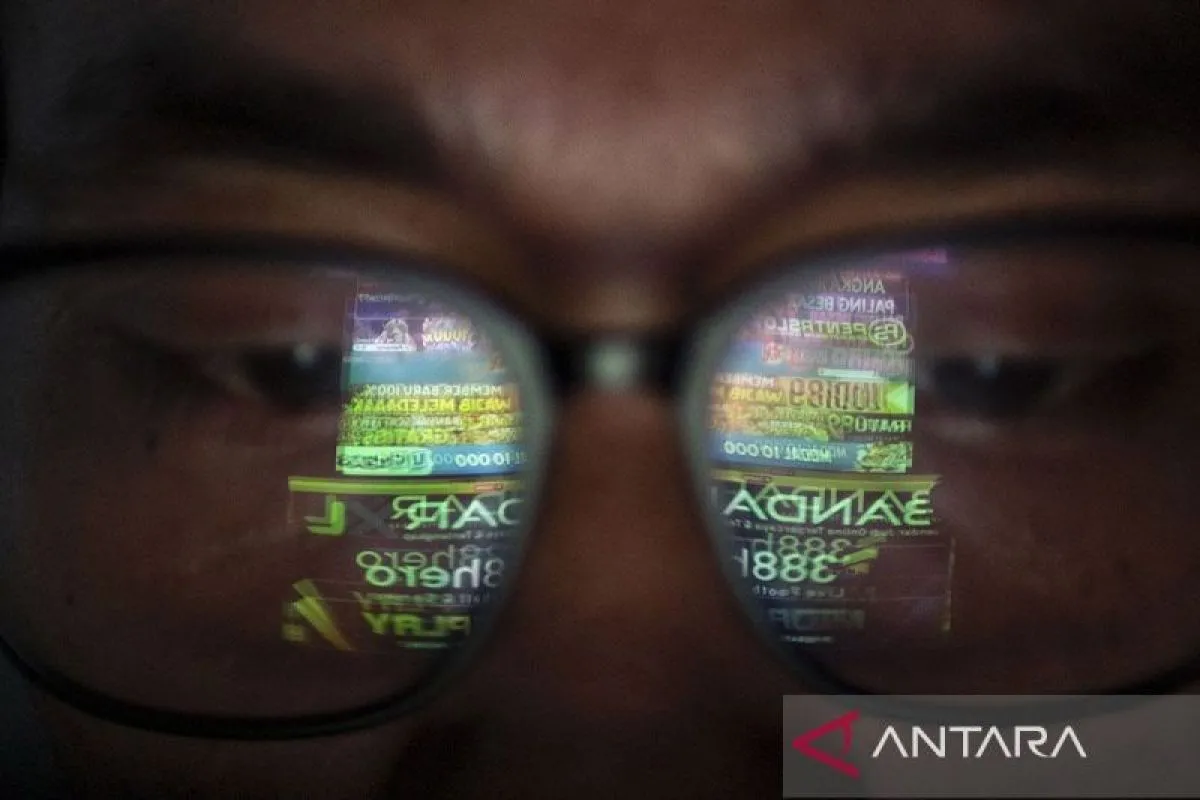
“Operators must safeguard their customers, just as the government must protect Indonesians through sound policy,” said Director General of the Digital Ecosystem Edwin Hidayat Abdullah during a press briefing in Jakarta on Friday.
He revealed that the ministry will soon issue a formal directive requiring telecom providers to develop anti-scam infrastructure—particularly to combat spam calls that use number masking, a technique that hides the caller’s identity.
“In the near future, the minister will announce new measures. Operators will be asked to deploy technologies that shield users from masked spam calls,” Abdullah said.
The urgency is underscored by alarming statistics: in 2024, around 65 percent of Indonesians received fraudulent calls or texts at least once a week.
Between November 2024 and October 2025, online fraud losses totaled Rp7 trillion (approximately US$418.5 million), with only Rp367 billion successfully recovered—just 5.4 percent of the total.
During that period, 125,217 victims reported scams to the Indonesia Anti-Scam Center, while another 171,791 cases were reported through financial service providers.
Authorities recorded 483,695 suspicious accounts, of which 93,819 have been blocked.
“This is a serious threat to public safety and trust. Indonesia must intensify its efforts to prevent scams,” Abdullah emphasized.
The ministry’s push signals a growing recognition that digital fraud is not just a technological issue, but a national concern requiring coordinated action between regulators, telecom providers, and financial institutions.
Translator: Farhan Arda, Raka Adji
Editor: Aditya Eko Sigit Wicaksono
Copyright © ANTARA 2025