“The land route remains the most feasible access to reach affected areas as of Thursday. This is done to accelerate the fulfillment of basic needs for post-disaster communities,” BNPB Head of Data, Information, and Disaster Communication Abdul Muhari said here on Thursday.
BNPB, together with local governments, military, police and volunteers, continues to intensify logistics mobilization from the command post to evacuation points.
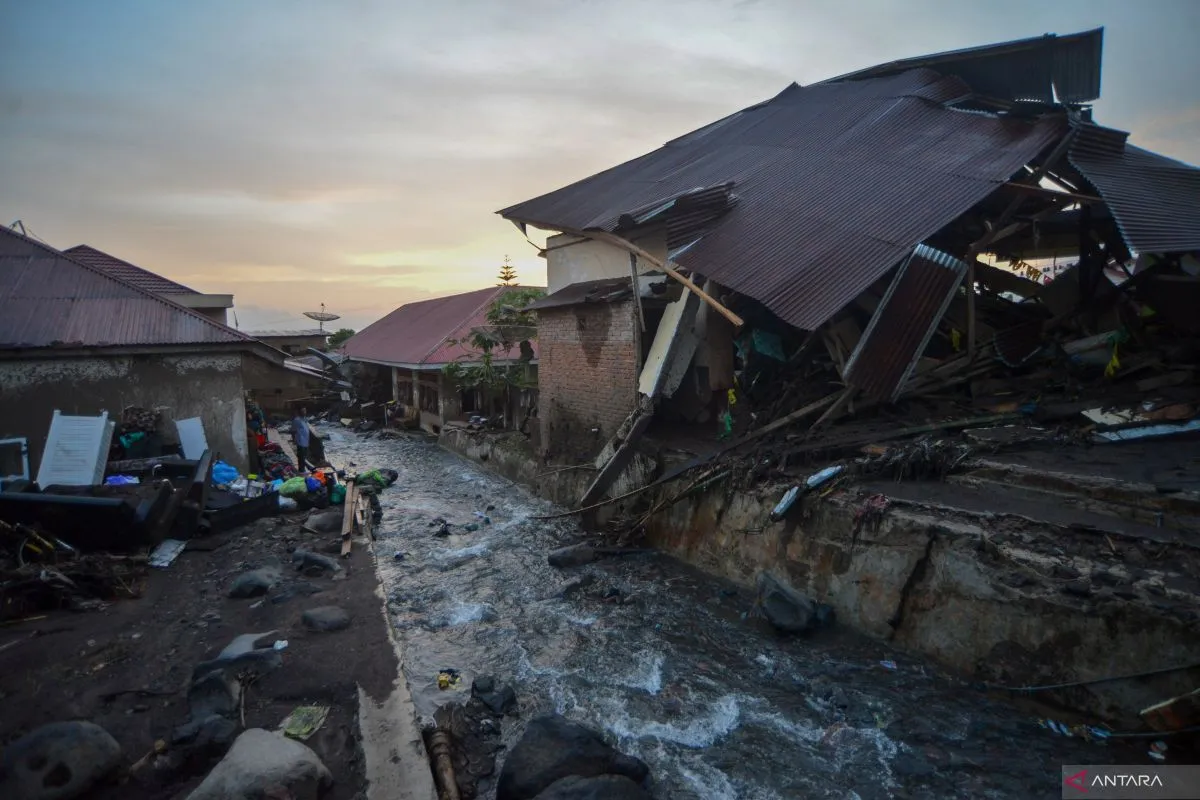
However, changing weather conditions and road narrowing due to landslide debris remain the main challenges for field teams. The route to Sikabau Jorong Kayu Pasak Selatan, Salareh Aia Village, is reportedly among the most difficult to access.
Operational vehicle limitations require careful distribution, supported by local governments and volunteers.
BNPB has also stationed an emergency support team at the Salareh Aia Utara Village Office as a joint field post to coordinate with local authorities and volunteers. From this post, teams can monitor road conditions and plan alternative routes if the main access is blocked.
Distribution prioritizes basic needs for evacuees, including ready-to-eat meals, drinking water, staple food packages, blankets, and public kitchen supplies.
Muhari explained that the deliveries are arranged based on road conditions and fleet capacity, with field inspections to ensure aid reaches residents and distribution chains remain uninterrupted.
BNPB confirmed all personnel will remain on standby until community needs are fully met.
Previously, as of Wednesday (December 10), the Agam district government in West Sumatra reported that the death toll from hydrometeorological disasters in the region had reached 190 people.
Related news: BNPB estimates Sumatra flood recovery cost at US$3.1 billion
Related news: BNPB speeds up aid distribution for flood and landslides evacuees
Related news: Cyclone threat: Experts urge Indonesia to bolster disaster mitigation
Translator: Prasetyo, Kenzu
Editor: M Razi Rahman
Copyright © ANTARA 2025


