Budi Leksono, a researcher at BRIN's Applied Botany Research Center, stated in Jakarta on Monday that malapari is increasingly viewed as a vital green energy source for the future.
“Besides its potential to produce environmentally friendly fuel, the plant is also capable of improving community welfare while supporting efforts to reduce carbon emissions,” Leksono said.
He explained that malapari seeds produce non-edible oil with significant potential as a raw material for biodiesel and bioavtur.
This oil is considered strategic because it does not compete with food supplies and aligns with international aviation policies requiring sustainable fuels.
"Naturally, the yield of malapari oil ranges from 20 to 28 percent; however, through genetic selection and optimized extraction, it can be increased to approximately 44 percent," he said.
Leksono added that BRIN's plant breeding research aims to produce superior trees that bear fruit quickly with high productivity and optimal oil yields.
Furthermore, malapari offers ecological advantages as a legume that fixes nitrogen from the air through root nodules, eliminating the need for nitrogen fertilizer.
"These characteristics make malapari highly adaptable to marginal land and arid conditions, such as those in eastern Indonesia, including Lembata," he noted.
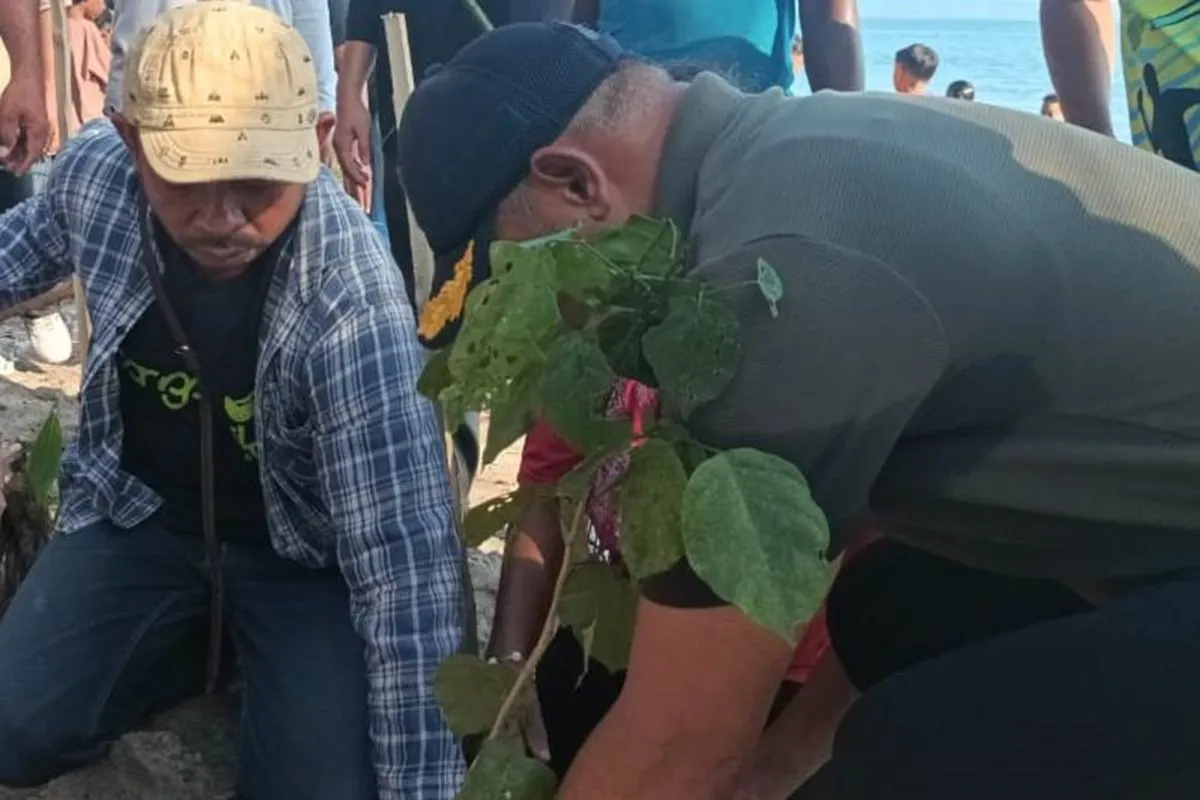
Leksono added that development in Lembata is integrated into a community-based agroforestry system, allowing residents to cultivate food crops like coffee and cocoa beneath the malapari trees.
Furthermore, malapari development is not only aimed at bioenergy production, but also as part of a climate change mitigation strategy, Leksono said.
He remains optimistic that large-scale malapari cultivation has the potential to support the national carbon emission reduction targets while also opening up opportunities for carbon trading that can provide added economic value for the community.
This year, BRIN's research will focus on establishing certified seed sources and developing high-quality varieties native to Lembata.
"Synergy across ministries, local governments, research institutions, the private sector, and the media is expected to accelerate the development of malapari as a sustainable national strategic commodity that is also inclusive, and based on local potential," Leksono concluded.
Related news: BRIN study finds seagrass carbon emissions highest in Java, Sumatra
Related news: BRIN prepares technology forecasts to shape Indonesia's industry
Translator: Sean Filo Muhamad, Cindy Frishanti Octavia
Editor: Arie Novarina
Copyright © ANTARA 2026