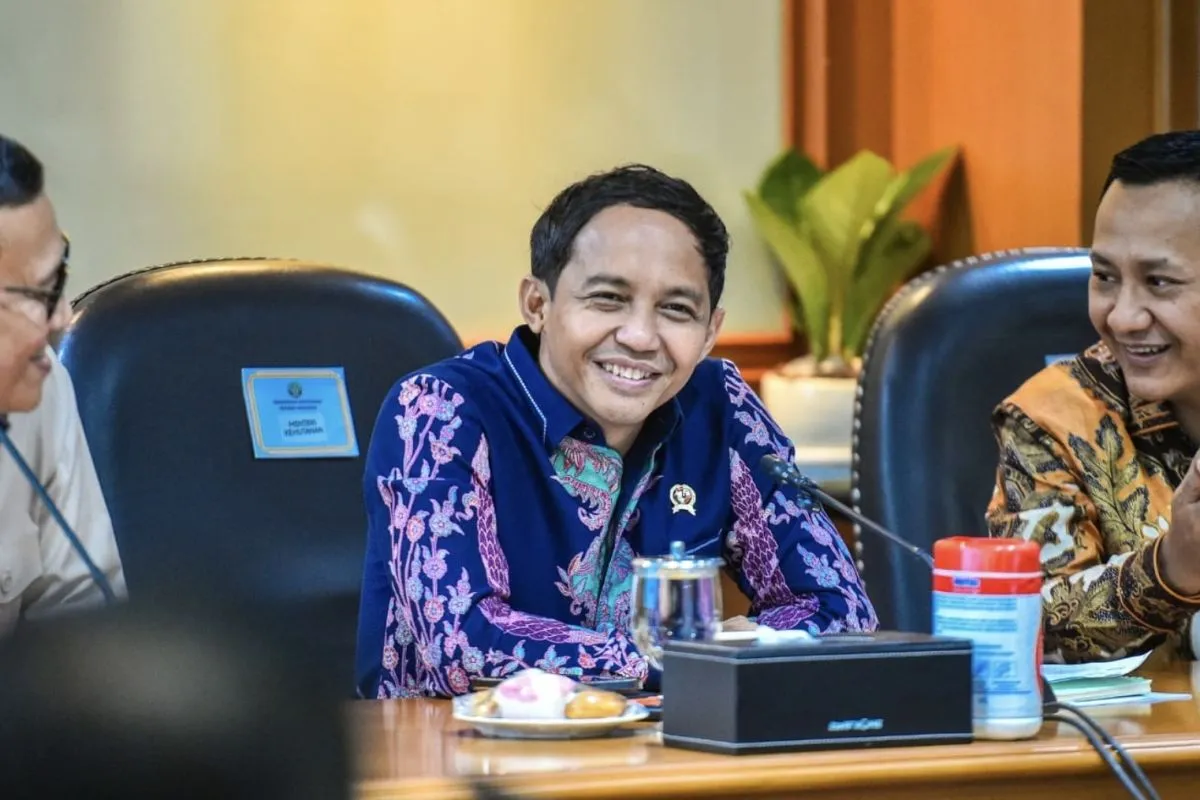
Forestry Minister Raja Juli Antoni said ministries and agencies have begun working more closely to safeguard Indonesia’s biodiversity and natural resources, speaking in a statement released in Jakarta on Wednesday.
He stressed cooperation must go beyond policy frameworks and deliver tangible outcomes on the ground, addressing longstanding gaps between regulation and enforcement.
“Rules are often ideal but difficult to execute. We need simpler, more operational measures and a shared commitment to reduce sectoral ego and strengthen collaboration,” he said.
As part of these efforts, the Forestry Ministry recently signed a memorandum of understanding with the Indonesian Quarantine Agency to enhance biosecurity coordination.
Raja Antoni said the agreement is not only a strategic step to strengthen the national biosecurity system but also to improve inter-agency synergy in curbing illegal plant and wildlife trafficking.
He described the MoU as a milestone in building more coordinated, collaborative and operational cooperation between the two institutions.
The minister also highlighted the need for tighter monitoring of plant pests and invasive species that threaten ecosystems, including wildlife habitats across Indonesia.
“Many invasive plants can damage wildlife habitats, and this is something we must jointly protect against,” he said.
Indonesian Quarantine Agency Head Abdul Kadir Karding said the partnership is crucial to strengthening protection of the country’s biological resources from cross-border threats.
He said collaboration between the two institutions marks a strategic step to reinforce quarantine systems and oversight of illegal plant and wildlife movements.
Karding added the synergy is expected to improve prevention of plant pests and animal diseases that could harm ecosystems and threaten Indonesia’s biodiversity.
Under the agreement, both sides will enhance data and information sharing, strengthen monitoring at entry points such as ports and airports, and develop joint operational measures.
These include pilot projects in areas with high levels of illegal wildlife and plant trafficking, aimed at improving enforcement effectiveness and reducing ecological risks.
Related news: Indonesia forms task force for national park financing
Related news: Indonesia launches blue carbon roadmap, action guidelines at COP30
Translator: Arnidhya NZ, Rahmad Nasution
Editor: Primayanti
Copyright © ANTARA 2026


