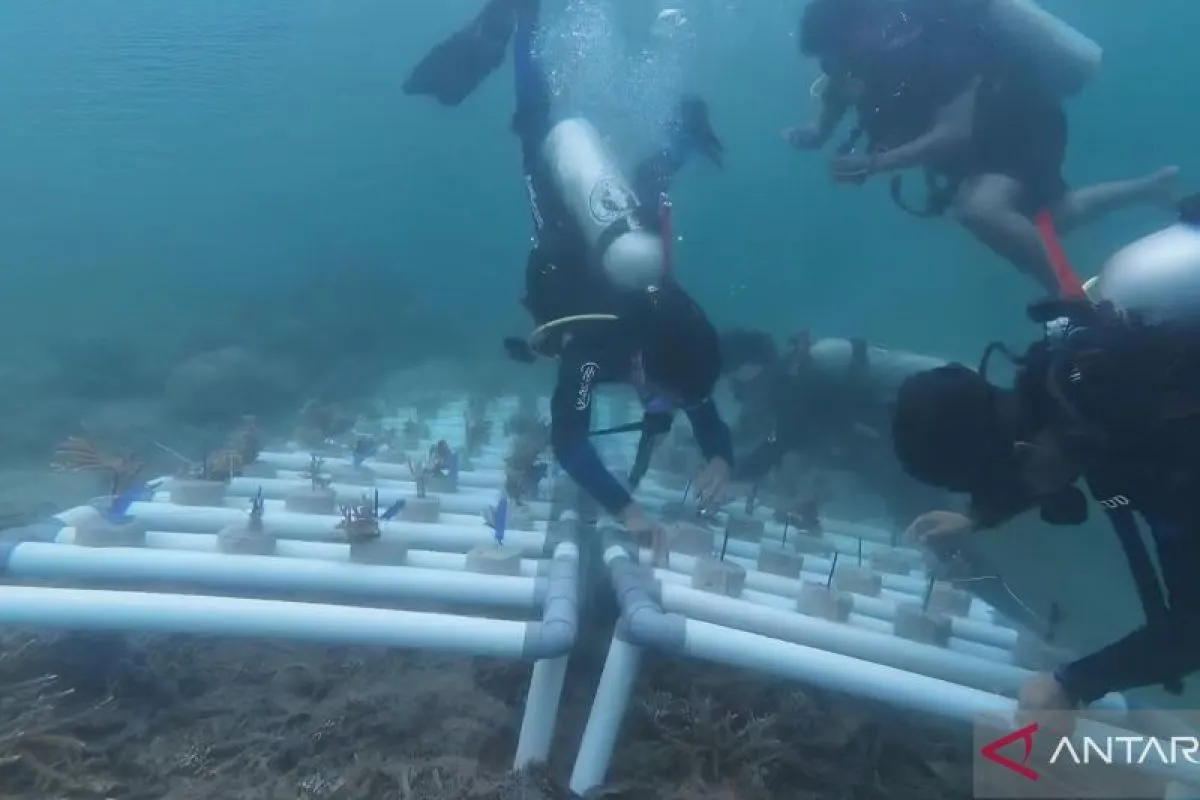
“Indonesia’s tourism now prioritizes real contributions to marine protection and local welfare, especially across 10 Priority Destinations and three Regenerative Destinations,” she said in a statement here on Saturday.
As the world’s largest archipelagic nation, with over 70 percent marine area, Indonesia holds vast marine tourism potential to support inclusive, sustainable growth.
Based on ministry data, Indonesia’s marine economy contributed around US$5.9 billion in 2024, she noted.
This progress is seen in strengthened coastal tourism villages, where over two thousand of roughly 12 thousand coastal villages developed marine tourism by 2024.
Speaking at Bali Ocean Days 2026 on Friday, she said Indonesia defines sustainable tourism as balancing environmental protection, social-cultural values, and economic benefits for present and future generations.
Related news: Indonesia unveils diving directory to boost sustainable marine tourism
The framework is reinforced through Law No. 18/2025 on Tourism, the National Tourism Development Master Plan (RIPPARNAS), and Ministerial Regulation No. 9/2021, adopting Global Sustainable Tourism Council (GSTC) standards and United Nations Tourism principles.
These policies are implemented through tools such as SERTIDEWI or sustainable tourism destination certificates, which have certified more than 45 tourism villages and two destinations.
She added that Indonesia continues strengthening the blue economy as a core national development strategy.
The concept promotes responsible marine resource use to generate economic value, jobs, and welfare, while keeping ecosystems productive and intact.
She also highlighted persistent challenges, especially marine debris and waste in tourism areas, requiring integrated, cross-sectoral solutions.
Coordination with related ministries and local governments is being intensified to build systemic, sustainable responses.
“Since 2025, the Ministry of Environment has organized a series of marine debris clean-up initiatives, accompanied by public education and support for recycled products. This approach is expected to reduce waste-related problems from upstream to downstream,” she said.
Related news: Indonesian minister, students explore ways to boost marine tourism
Translator: Sri, Kenzu
Editor: Rahmad Nasution
Copyright © ANTARA 2026


