The bacteria show potential to produce anti-cancer compounds effective against breast cancer cells, with minimal toxicity to normal cells.
Aniska Novita Sari, representing the research team, said in vitro tests revealed one isolate, TC-ARCL7, exhibited strong anti-cancer activity with an IC50 of 0.2 µg/ml, far lower than doxorubicin, pure curcumin, or ethanol turmeric extract.
“This finding shows that anti-cancer potential may not come directly from medicinal plants. Microbes living around them can share similar properties and offer new opportunities for drug development,” Sari said in Jakarta on Friday.
She added that the isolate also showed very low toxicity to normal Vero cells, resulting in a high selectivity index.
Sari stressed the research is still in the early stages and requires further investigation.
The team plans to continue research, including purification of active compounds, optimization of metabolite production, and preclinical testing before developing a safe, effective anti-cancer drug candidate.
“This approach could offer an alternative path for natural product-based drug development with lower costs and sustainable resources,” she said.
The discovery was a collaboration between BRIN and Gadjah Mada University’s Faculty of Biology.
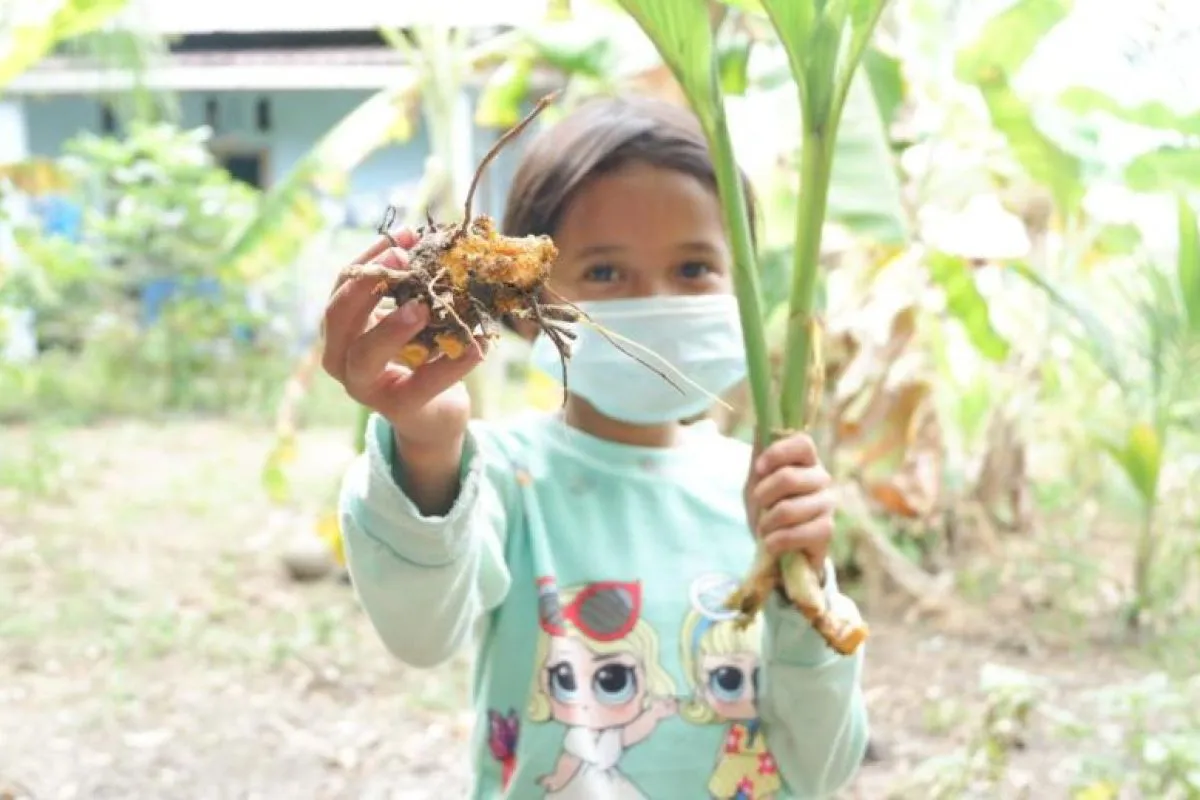
Researchers isolated seven actinomycete strains from a turmeric plantation in Karanganyar, Central Java, and tested their in vitro activity against T47D breast cancer cells.
The study is published in the Journal of Applied Pharmaceutical Science, Vol. 15, No. 3 (DOI: 10.7324/JAPS.2025.218990).
Related news: BRIN prepares future tech forecast to boost research competitiveness
Related news: Indonesia launches national research and innovation roadmap
Translator: Sean FM, Rahmad Nasution
Editor: Arie Novarina
Copyright © ANTARA 2026


