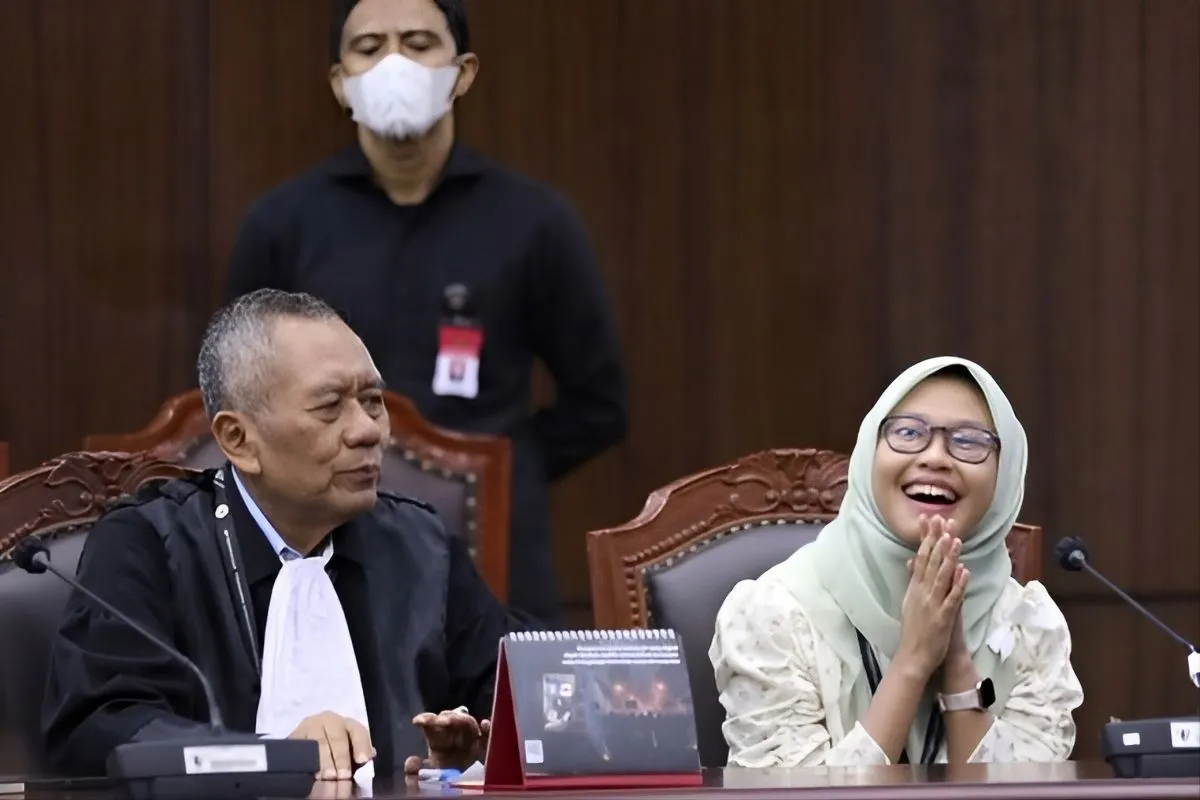
“Granting the petitioners’ request in part,” MK Chief Justice Suhartoyo announced the decision, numbered 130/PUU-XXIII/2025, in the MK Plenary Court here on Monday.
The court emphasized that acknowledging chronic illnesses as physical disabilities, often invisible, is crucial to ensuring effective legal protection for individuals with disabilities.
Without such recognition, those with functional limitations but no visible signs risk losing access to legal support and public policies.
Justice Enny Nurbaningsih explained that recognizing chronic conditions as physical disabilities ensures legal protection is tangible in daily life, not merely symbolic.
The petitioners, student Raissa Fatikha and lecturer Deanda Dewindaru, requested that chronic illnesses be included under the Law on Persons with Disabilities. Raissa has suffered from thoracic outlet syndrome since 2015, while Deanda was diagnosed with an autoimmune disorder in 2022.
The MK clarified that long-term chronic illnesses, particularly those affecting the immune system or causing persistent inflammation, can impact an individual’s ability to perform daily activities.
Recognition does not automatically convert medical diagnoses into legal status, but ensures access to legal protection even if conditions are not outwardly visible.
The court also stressed that determining chronic illnesses as disabilities must follow a medical assessment to evaluate functional limitations, required support, and the impact on daily activities.
Status as a person with a disability is not imposing and is intended to guarantee equal access, not imposed on every individual meeting medical criteria.
Based on this ruling, chronic illnesses are now explicitly included in the definition of physical disability under Article 4 paragraph (1) of the Law on Persons with Disabilities, alongside conditions such as amputations, paralysis, cerebral palsy, stroke, leprosy, and dwarfism.
Related news: RI Govt vows to expand disability-friendly health centers
Related news: Social Affairs Minister pushes for disability-friendly education
Related news: Greater accessibility targeted through 1,000 Inclusive Mosques program
Translator: Fath, Kenzu
Editor: Azis Kurmala
Copyright © ANTARA 2026