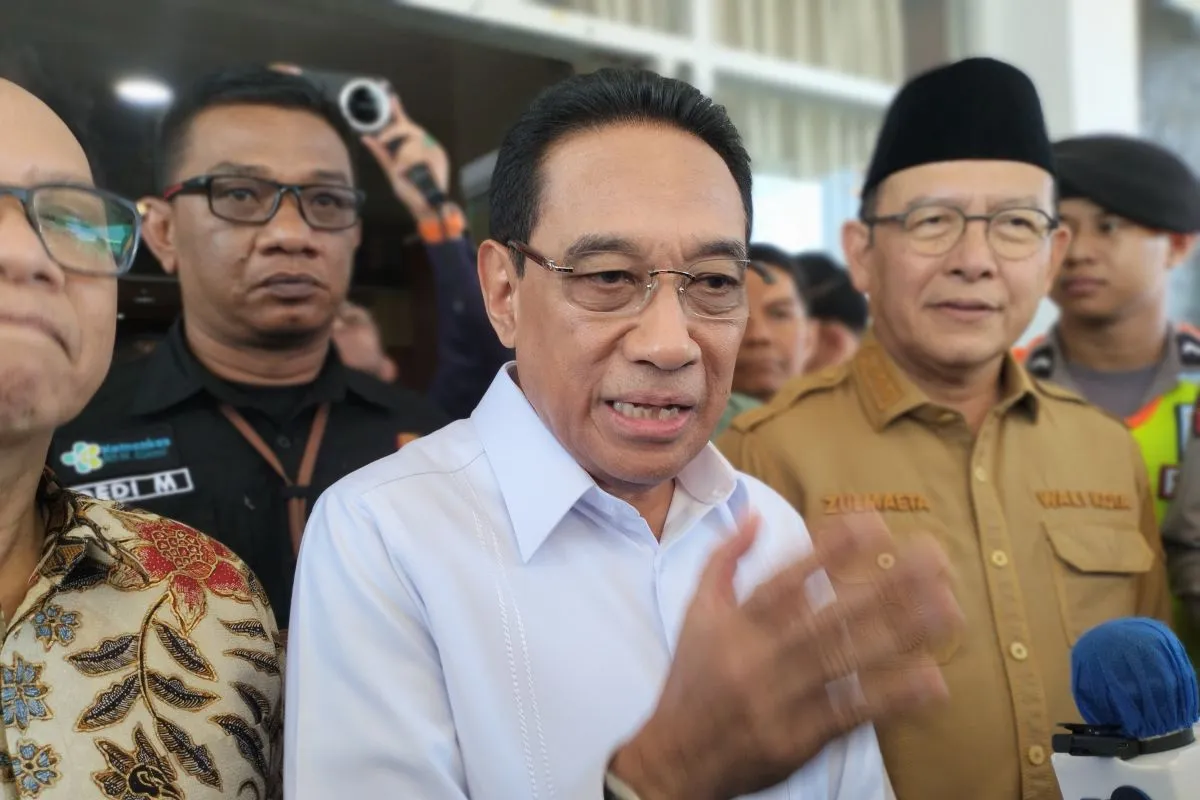
Launched in February 2025, the program has reached its target of 70 million people being examined during its first year of implementation, with 46 million undergoing annual check-ups and 24 million undergoing check-ups at schools.
"This year, we hope it can reach 150 million people, while aiming for all Indonesians to receive this program eventually,” Benjamin noted.
He explained that the free health checks program is fundamentally crucial for the early detection of hypertension, tuberculosis, diabetes mellitus, and nutritional status.
Until now, Indonesians have not been accustomed to regular health check-ups, often only when preparing to go on the Hajj, Umrah, or for work purposes.
In fact, he explained, catastrophic diseases, including complications from diabetes and hypertension, are actually preventable, both through early detection and a regular, healthy lifestyle.
"The BPJS (state health insurer) spends a huge amount of money on catastrophic diseases, even though these diseases are preventable," he said.
By preventing these diseases through the health checks program, the state can save more of its budget, he continued.
Going forward, he hopes that the increasing number of hospitals and healthcare facilities currently under construction will allow people to visit not only for treatment when they are sick, but also for early detection and disease prevention.
"So far, the free health checks have been implemented in community health centers, schools, ministries, institutions, and several communities," Benjamin said.
Related news: Free health check to increase Indonesians' life expectancy: Minister
Related news: Gov't calls for isolation of measles cases during Eid travel
Related news: Indonesia finds mental health issues in 10 pct of screened children
Translator: Muhammad Zulfikar, Yashinta Difa
Editor: Azis Kurmala
Copyright © ANTARA 2026


