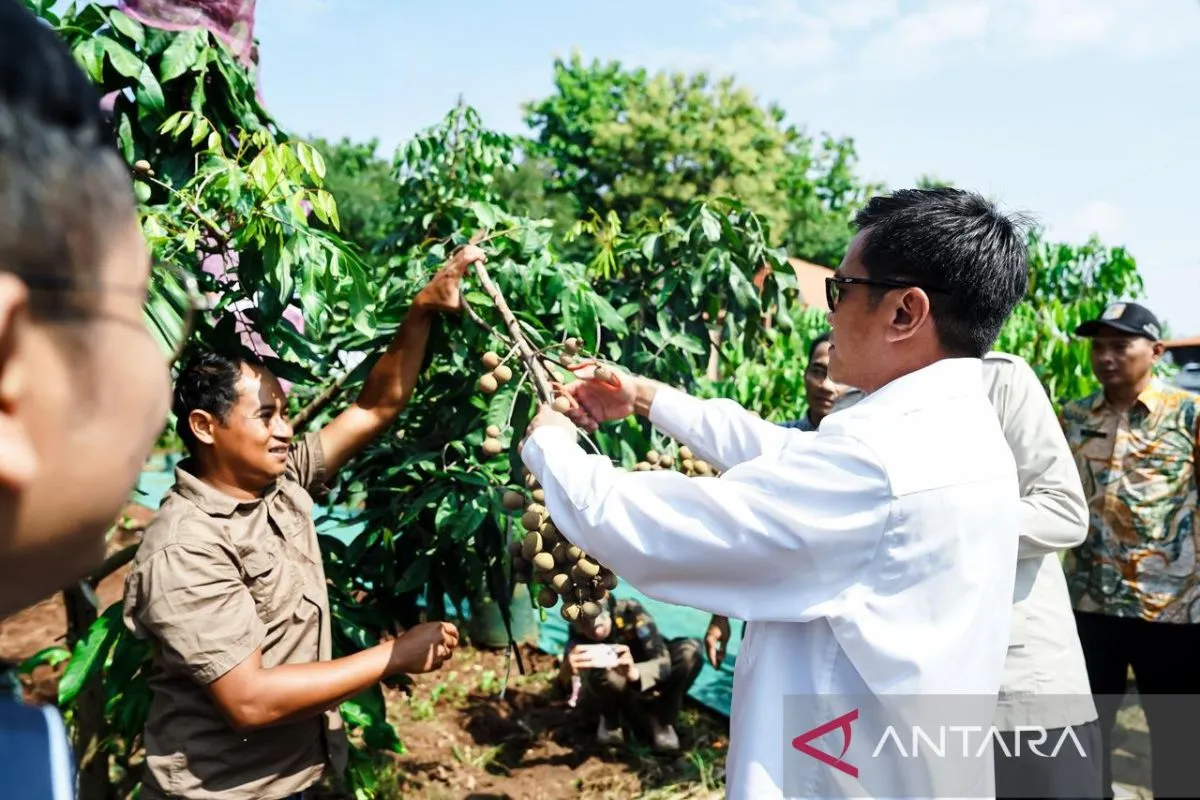
Deputy for Village, Underdeveloped and Specific Area Community Empowerment Abdul Haris said on Friday that the Widuri Pegandon area in Kendal District, Central Java, exemplifies the approach.
He said the Widuri program has entered its fifth month and is showing significant progress as a concrete model of integrated, area-based empowerment.
“Widuri is not just a project, but a real collaborative space for communities, where surrounding villages are both beneficiaries and key actors in development,” Haris said.
In Wonosari Village, 576 residents are classified in decile 1, the poorest income group. Kendal district has 35,612 people in decile 1, while Central Java Province counts more than 4.06 million.
Related news: Davos 2026: Prabowo stresses commitment to eradicating extreme poverty
The figures underscore the urgency of targeted, collaborative and impact-driven development strategies to lift vulnerable communities out of extreme poverty, he said.
In line with the national agenda, the government aims to eradicate extreme poverty by 2026 while generating new employment opportunities within the same timeframe.
Haris said the area-based approach seeks to meet those goals through better program integration, stronger local economies and sustainable empowerment initiatives tailored to village-level conditions.
The Widuri area has reported tangible results, including the establishment of Nutritional Fulfillment Service Units, or SPPG, supporting the Free Nutritious Meal Program, known as MBG.
Each SPPG has stimulated the local economy, generating fund circulation of around 900 million to 1 billion rupiah, boosting small businesses and rural supply chains.
“The ministry encourages cross-sector collaboration and mutually beneficial partnerships to accelerate poverty reduction and expand job opportunities in rural areas,” Haris said.
Related news: Indonesia's Prabowo targets zero extreme poverty by end of his term
Translator: Anita, Kenzu
Editor: Rahmad Nasution
Copyright © ANTARA 2026