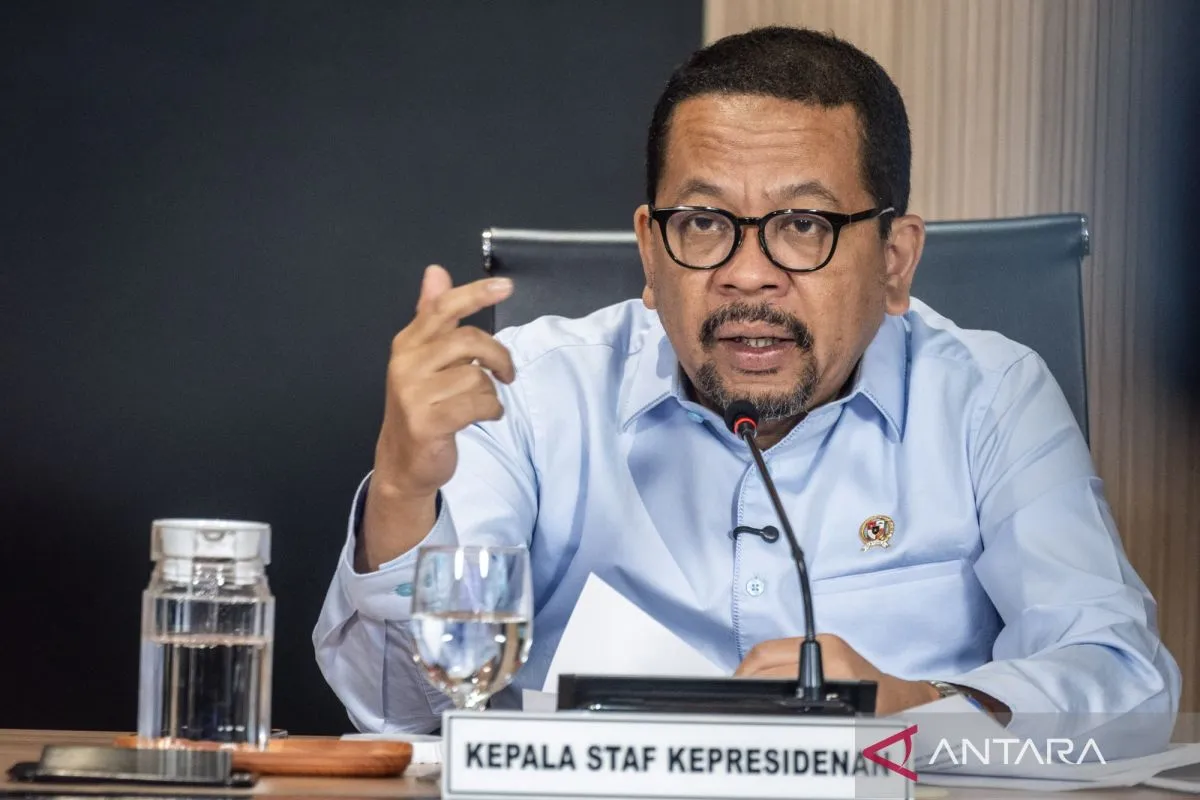
"The implementation of the 3 million houses program has triggered a chain reaction and multiplier effect that will stimulate the economy, from micro-enterprises to large corporations," Presidential Chief of Staff Muhammad Qodari stated in Jakarta on Wednesday.
This multiplier effect, driven by a significant increase in demand across the domestic supply chain, is believed to have a positive impact on business actors at both local and national levels.
The government has identified two main groups of derivative industries involved in the program: upstream and downstream sectors.
This intersectoral integration is expected to drive sustainable economic growth throughout the construction period and beyond project completion.
In the upstream sector, the program will increase the utilization of domestically produced basic building materials. Commodities directly impacted include cement, light steel, ceramics, bricks, roof tiles, and paint products.
Meanwhile, downstream economic activity is expected to accelerate after the handover of housing units to the public. This is predicted to benefit furniture MSMEs, household electronics manufacturers, interior design service providers, as well as insurance and banking services.
In addition, Qodari revealed that the construction of one landed house unit involves an average of five to seven workers, both directly and indirectly. This figure indicates significant employment potential, considering the development target of millions of units.
"This program has created a new economic ecosystem that opens up real job opportunities for the community," he explained.
The program also opens up job opportunities for various technical support professions, such as architects, civil engineers, and construction foremen.
Housing projects in various regions of Indonesia are expected to create new growth centers for skilled workers in the construction sector.
The economic benefits of this program are predicted to reach workers outside the main construction process, including logistics drivers and factory workers producing building materials.
Furthermore, informal sector actors, such as food vendors near project sites, are also expected to benefit from the positive impacts of sustained development activities.
Related news: Indonesia announces 30-year tenor for subsidized housing
Related news: Govt targets renovation of 400 thousand people's houses in 2026
Related news: Sharia developers urged to lead Indonesia's 3 Million Houses Program
Translator: Aditya Ramadhan, Yashinta Difa
Editor: M Razi Rahman
Copyright © ANTARA 2026


