Accelerating the adoption of biofuels, alongside optimizing oil lifting, is part of the government’s broader efforts to address the global energy crisis triggered by the war in the Middle East.
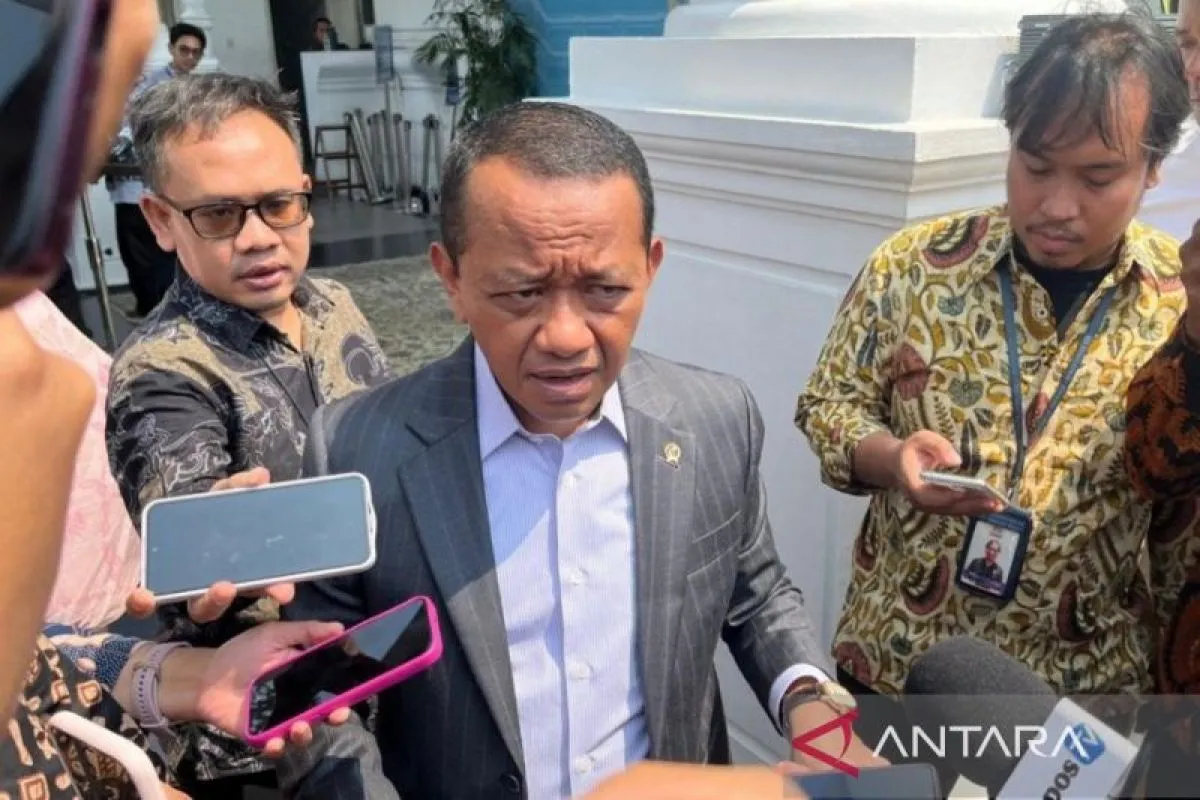
“First, we must optimize our oil lifting. Second, we need diversification, such as B50, which can reduce diesel imports. Third, we must also push forward the E20 program,” Bahlil said at the Merdeka Palace on Monday.
The mandatory B50 biodiesel program, set to take effect on July 1, is expected to reduce fossil fuel consumption by around 4 million kiloliters annually. It is also projected to save Indonesia up to Rp157.28 trillion (US$9.18 billion) in foreign exchange by 2026.
The B50 blend—comprising 50 percent crude palm oil (CPO) and 50 percent fossil diesel—is currently undergoing road testing, which has been underway since December 9, 2025.
Meanwhile, the E20 program, which involves a 20 percent bioethanol blend in gasoline, is targeted for mandatory implementation in 2028 to help reduce gasoline imports.
To support this initiative, the ESDM Ministry plans to begin bioethanol production in 2027 in Merauke, South Papua. The program is linked to the government’s flagship food estate initiative, which aims to develop 500,000 hectares of sugarcane plantations.
In addition to biofuel development, the Indonesian government is also studying the use of compressed natural gas (CNG) as an alternative to reduce reliance on imported liquefied petroleum gas (LPG), which still dominates domestic supply.
“This is still under discussion before we can finalize it,” Bahlil noted.
He explained that national LPG consumption currently stands at around 8.6 million tons per year, while domestic production can only meet approximately 1.6 to 1.7 million tons. As a result, the government must seek viable alternatives.
Despite these challenges, Bahlil assured that national energy reserves remain secure in the short term.
“I can report that our national energy condition, including fuel products such as diesel and gasoline, is above the minimum national standard,” he said.
A similar situation applies to the availability of crude oil used to operate domestic refineries.
Related news: B50 biodiesel could save Indonesia US$9.18 billion in forex by 2026
Related news: Biofuels: Indonesia's strategic shield against energy volatility
Related news: KAI adopts B40 biodiesel, prepares for B50 transition
Translator: Aditya Ramadhan, Yashinta Difa
Editor: M Razi Rahman
Copyright © ANTARA 2026


