According to Soeparno, the policy directly aligns with Article 33 of the country's 1945 Constitution, which mandates that natural resources must be managed for the maximum benefit of the public.
"The step to regulate commodity exports is crucial to ensuring that Indonesia's vast natural resources truly provide optimal benefits for the state and the people," Soeparno said in a statement on Wednesday.
The Deputy Speaker pointed out persistent structural issues within the current trade system, specifically highlighting export under-invoicing and transfer pricing schemes used by rogue business operators.
These practices, he noted, have significantly depleted state revenues.
While Soeparno hopes the government's new framework will tighten oversight, boost transparency, and maximize foreign exchange earnings amid global headwinds, he warned that implementation must be handled delicately to prevent market jitters.
"The President’s cabinet must establish clear lines of communication to prevent doubt, confusion, or anxiety among business actors," he warned, adding that the commodity sector relies heavily on regulatory certainty to maintain its global edge.
"The primary goal must be to strengthen national interests without disrupting business continuity or the competitiveness of Indonesian exports."
The policy debate follows President Prabowo's recent presentation of the government's 2027 Macroeconomic Framework and Fiscal Policy Principles (KEM-PPKF).
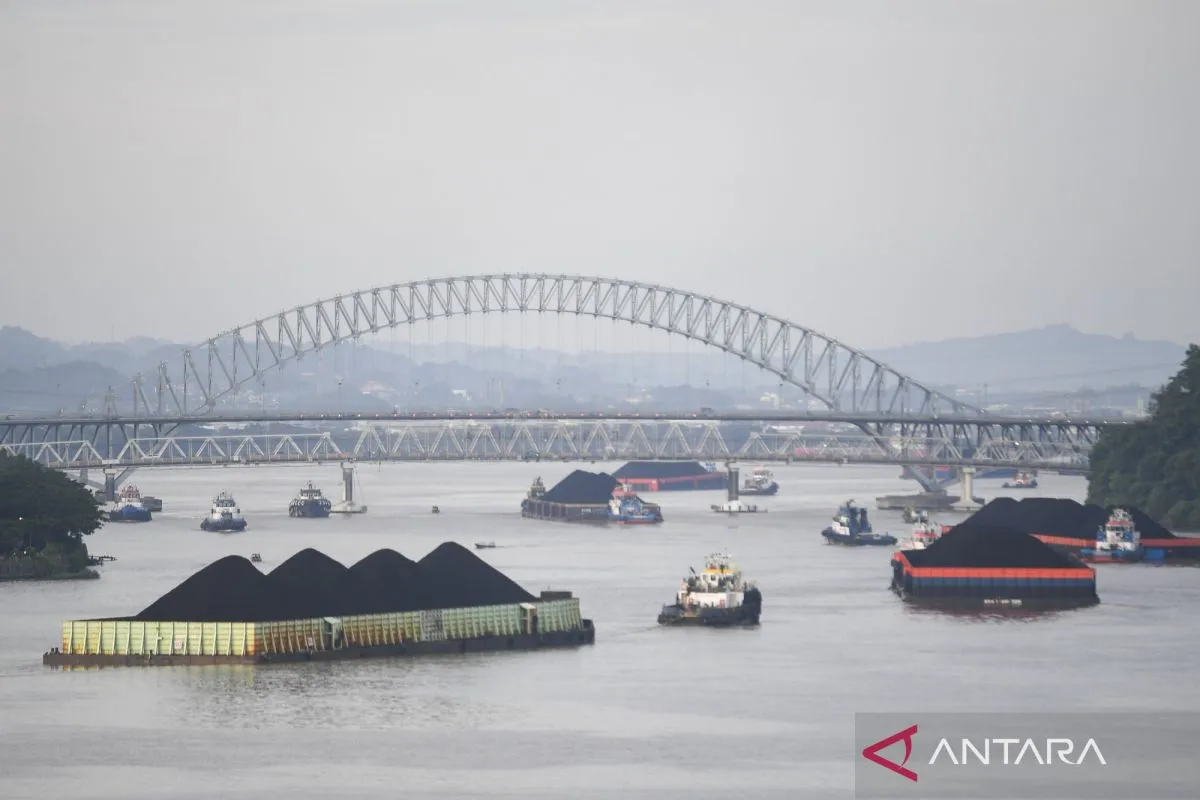
During the address, Prabowo announced an upcoming government regulation that will fundamentally reshape commodity trading by appointing state-owned enterprises (SOEs) as the sole exporters of key commodities, including palm oil, coal, and ferroalloys.
"We will require that sales be conducted exclusively through a government-appointed state-owned enterprise," Prabowo explained.
"The proceeds from each export sale will then be passed on by the SOE to the private operators managing the actual extraction or production."
The sweeping policy aims to eliminate fraudulent practices, such as under-invoicing, transfer pricing, and the embezzlement of foreign exchange export revenues.
By eradicating illegal mining, unauthorized plantations, and trade fraud, Prabowo estimated that Indonesia could secure up to $150 billion annually in clawed-back revenues.
Related news: Indonesia pledges fair investment climate for oil and gas
Related news: Indonesia launches auctions for 13 new oil and gas blocks
Translator: Laily Rahmawaty, Yashinta Difa
Editor: Aditya Eko Sigit Wicaksono
Copyright © ANTARA 2026


